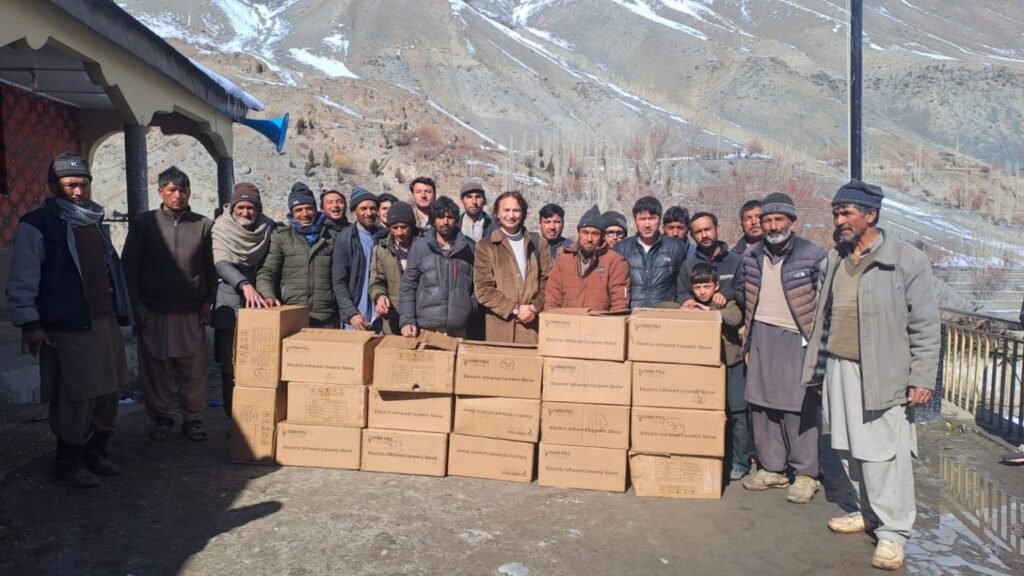
Households in parts of northern Pakistan are saving around 60 per cent of their previous expenditure on firewood after switching to electric cooking stoves, according to the Aga Khan Rural Support Programme (AKRSP), which says it has distributed 50,000 subsidised appliances over the past year.
By Abdul Samad Tariq
ISLAMABAD, Oct 30 (APP): Households in parts of northern Pakistan are saving around 60 per cent of their previous expenditure on firewood after switching to electric cooking stoves, according to the Aga Khan Rural Support Programme (AKRSP), which says it has distributed 50,000 subsidised appliances over the past year.
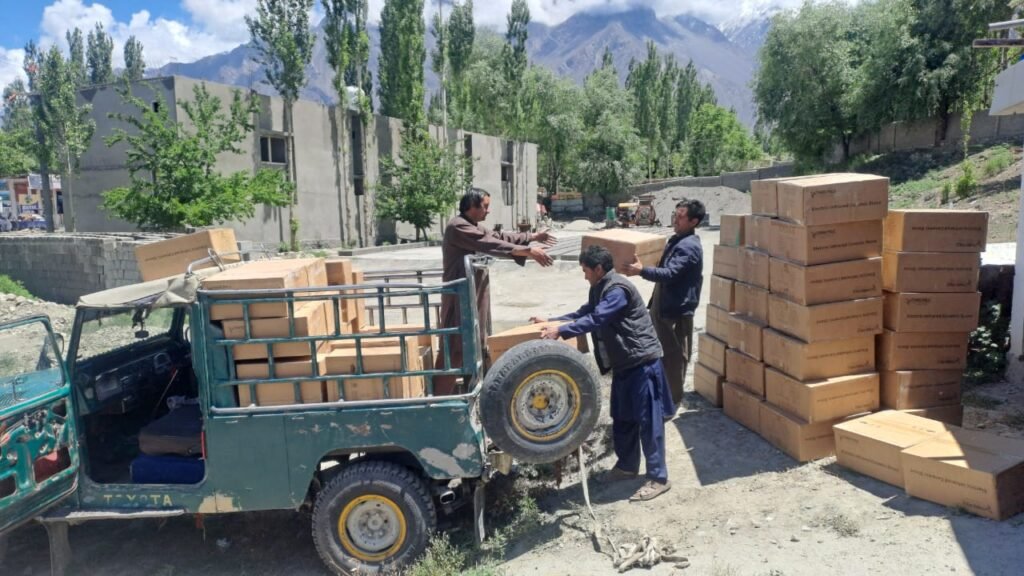
The initiative, covering Chitral, Gilgit and Baltistan, is also focusing on local repair and maintenance facilities to keep the appliances functional and reduce the risk of households reverting to traditional cooking fuels.
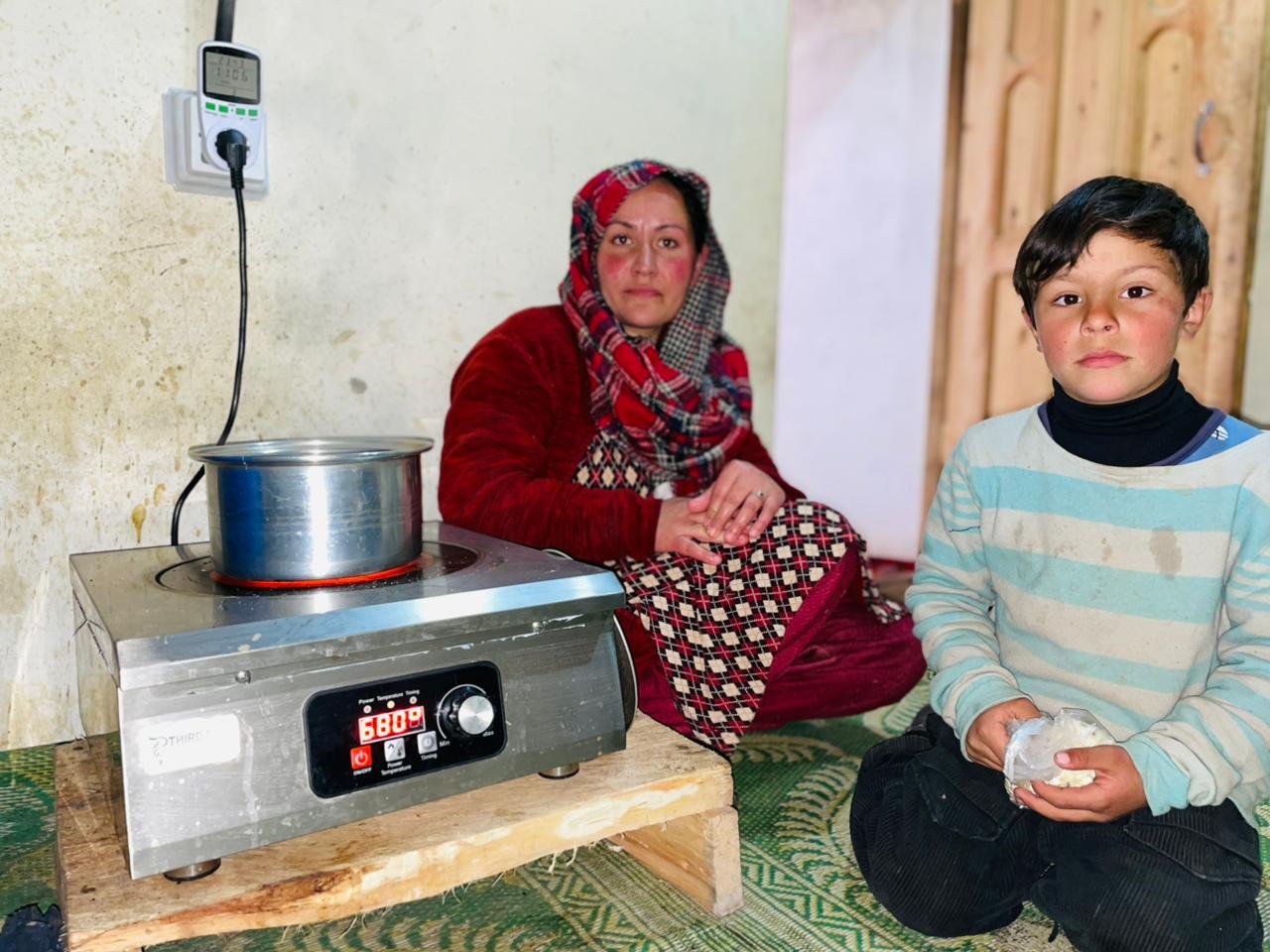
Meherban Khan, Manager Economic Inclusion at AKRSP, told APP that a Kitchen Performance Test conducted to assess household fuel consumption found that a family of seven typically used 23 to 25 kilogrammes of firewood daily to prepare three meals using traditional cooking methods.
The same household required around five to six kilowatt-hours (kWh) of electricity daily for cooking with an energy-efficient electric stove, he said.
According to Khan, households had saved around 60pc of their previous expenditure on firewood during the first year of the intervention. However, the programme’s reported savings relate to fuel expenditure, while the extent of the reduction in actual firewood consumption has yet to be quantified.
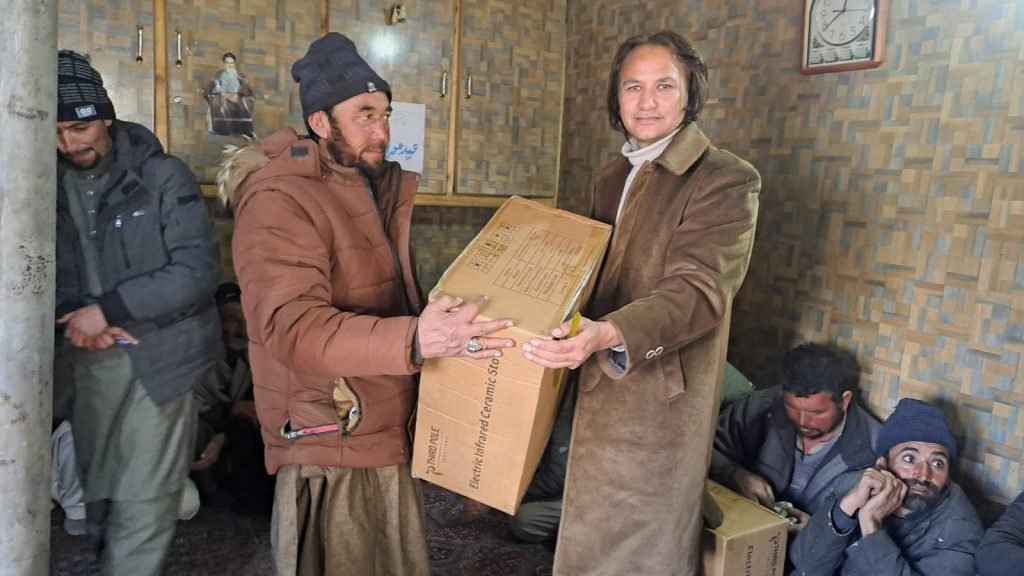
Consumers pay around Rs2,800 for each stove, against an estimated cost of Rs29,000, with the remainder covered through subsidy.
AKRSP has also established 160 micro-hydropower plants in the region, providing communities with locally generated electricity. Khan said community-owned hydropower stations generally supplied electricity round the clock, with load-management arrangements during peak demand periods.
Electricity tariffs varied between Rs6 and Rs9 per unit, depending on the operational arrangements and tariff structures of individual stations, he added.
The programme’s longer-term viability, however, depends partly on the availability of repair services in remote communities. AKRSP has trained 70 local technicians at the valley level and established spare-parts inventories at designated service points to facilitate repairs.
The organisation is also monitoring the use of the distributed stoves through field visits, community meetings and household feedback. Around 1,000 check meters have been installed to track electricity consumption and verify stove usage.
Khan said the organisation’s monitoring indicated that all distributed stoves remained in regular use, although usage varied according to household requirements and consumption patterns.
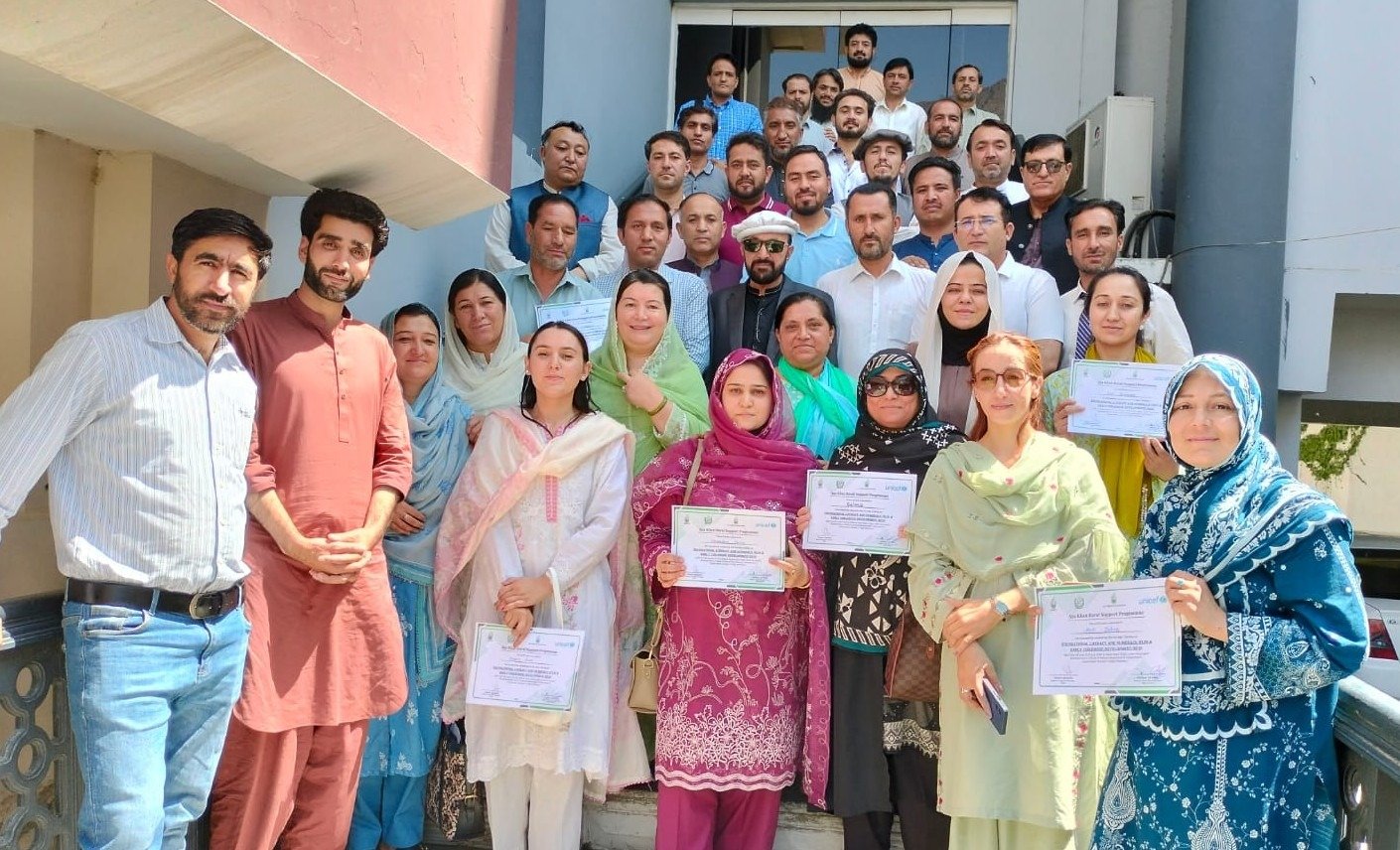
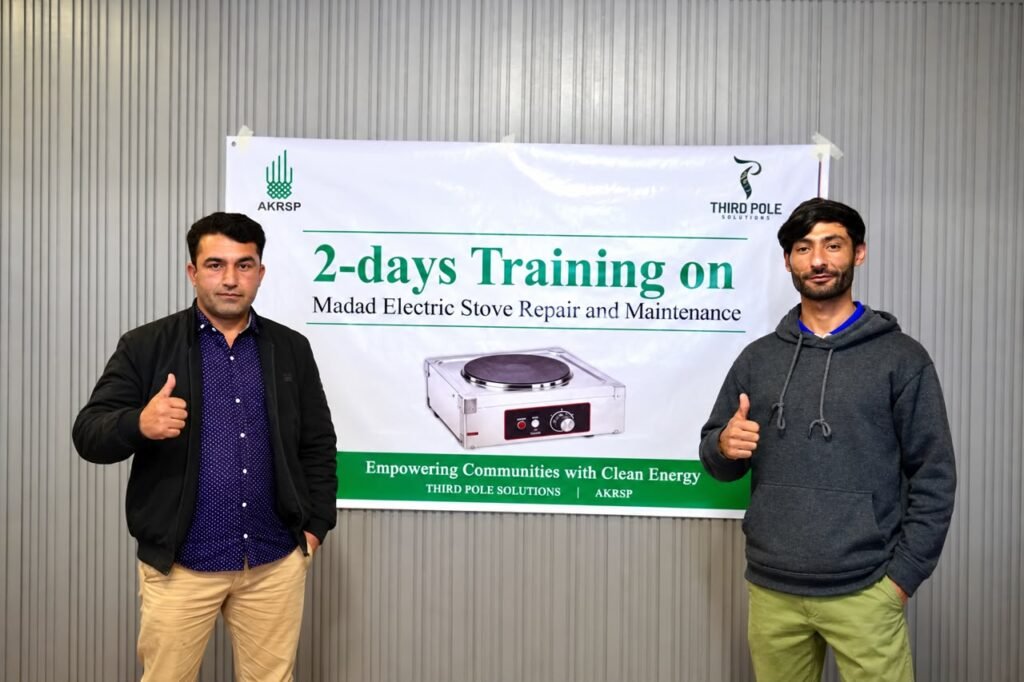
In the latest effort to strengthen local maintenance capacity, AKRSP, in collaboration with Third Pole Solution (TPS), organised a two-day training programme for Village Council Technicians in Gahkuch, Ghizer.
Participants from Immit, Chatorkhand, Sherqilla, Singul, Gahkuch, Gupis, Pingal, Sumal, Yasin and Hatoon received practical training in identifying technical faults, carrying out routine maintenance and advising households on the proper use of electric cooking appliances.
The initiative highlights the importance of reliable electricity supplies, affordable tariffs and accessible repair services in determining whether households in remote mountainous areas can sustain a shift away from firewood-based cooking.
Read at Original Source: Electric stoves help cut firewood costs in northern Pakistan, says AKRSP