By: Shahzad Ali
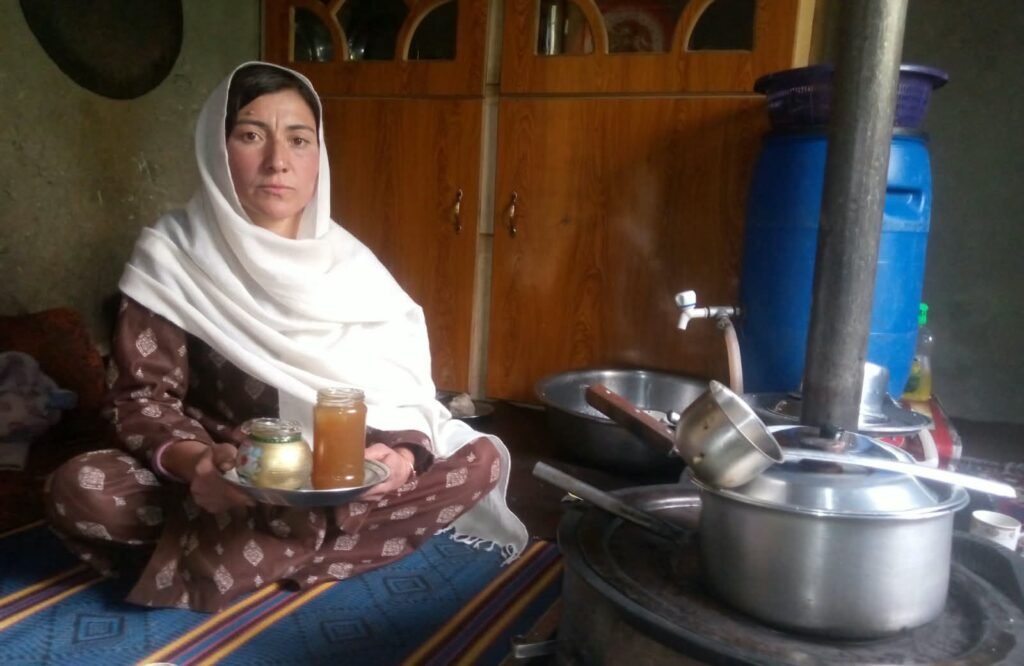
Every summer, Hamida watched fruits growing on the trees and vegetables in the kitchen gardens around her home in Thoi Valley, Ghizer. There was a lot of produce, but much of the fruit and vegetables went to waste before they could be used. When winter arrived, access to a balanced diet became more difficult, even though plenty of fruit and vegetables had been available just a few months earlier. “I used to feel very sad when our fruits like apples and apricots went to waste,” recalls Hamida, a mother of four living in a household of 12. “In winter, there are hardly any fruits available, and buying jam or fruits from the market is expensive.”
Today, those same fruits and vegetables tell a different story.
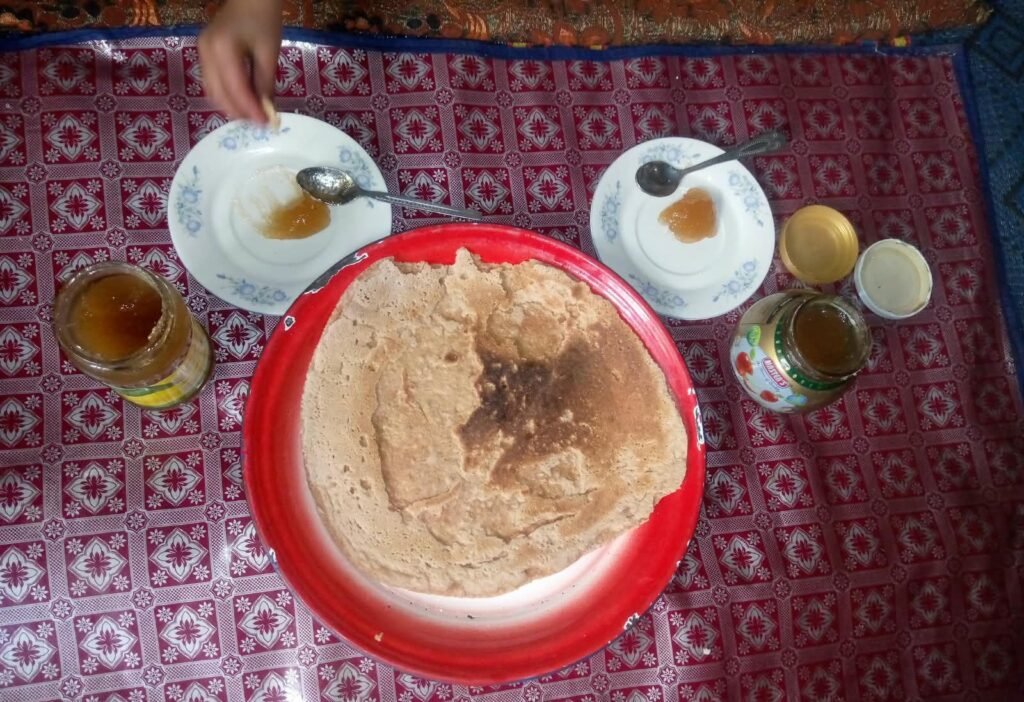
Instead of being wasted, apples and apricots are preserved for the winter months. Cabbage from the kitchen garden is transformed into pickles, while pumpkins and carrots are used to prepare nutritious meals such as sweet dishes for children. What began as a simple lesson in food preservation has helped Hamida rethink how food is used in her household, turning seasonal abundance into year-round nourishment.
Hamida’s experience reflects a growing understanding that improving nutrition does not always require buying more food from the market. Often, it begins with recognising the value of foods already available in local orchards, fields and kitchen gardens, and learning how to make better use of them.
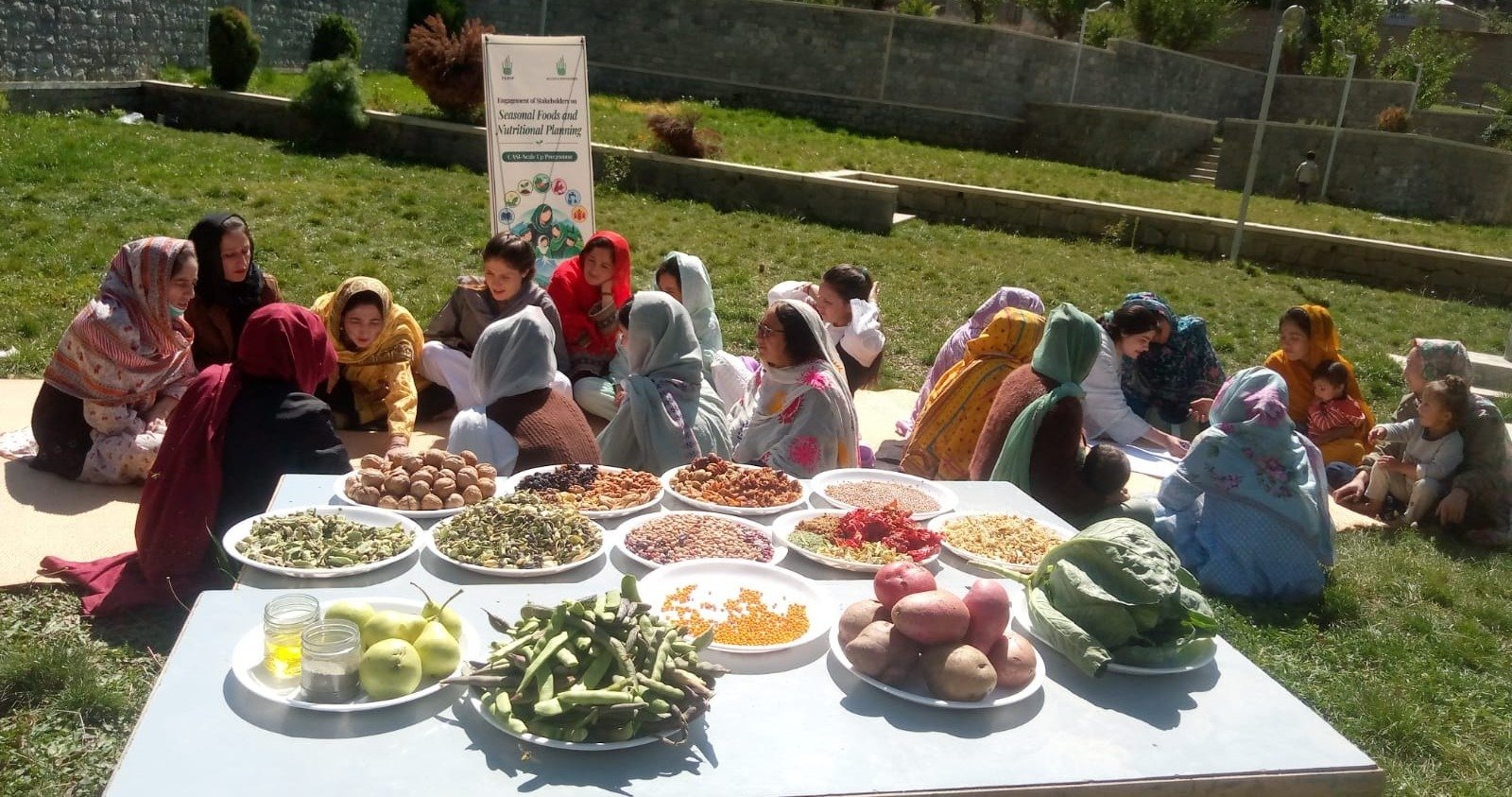
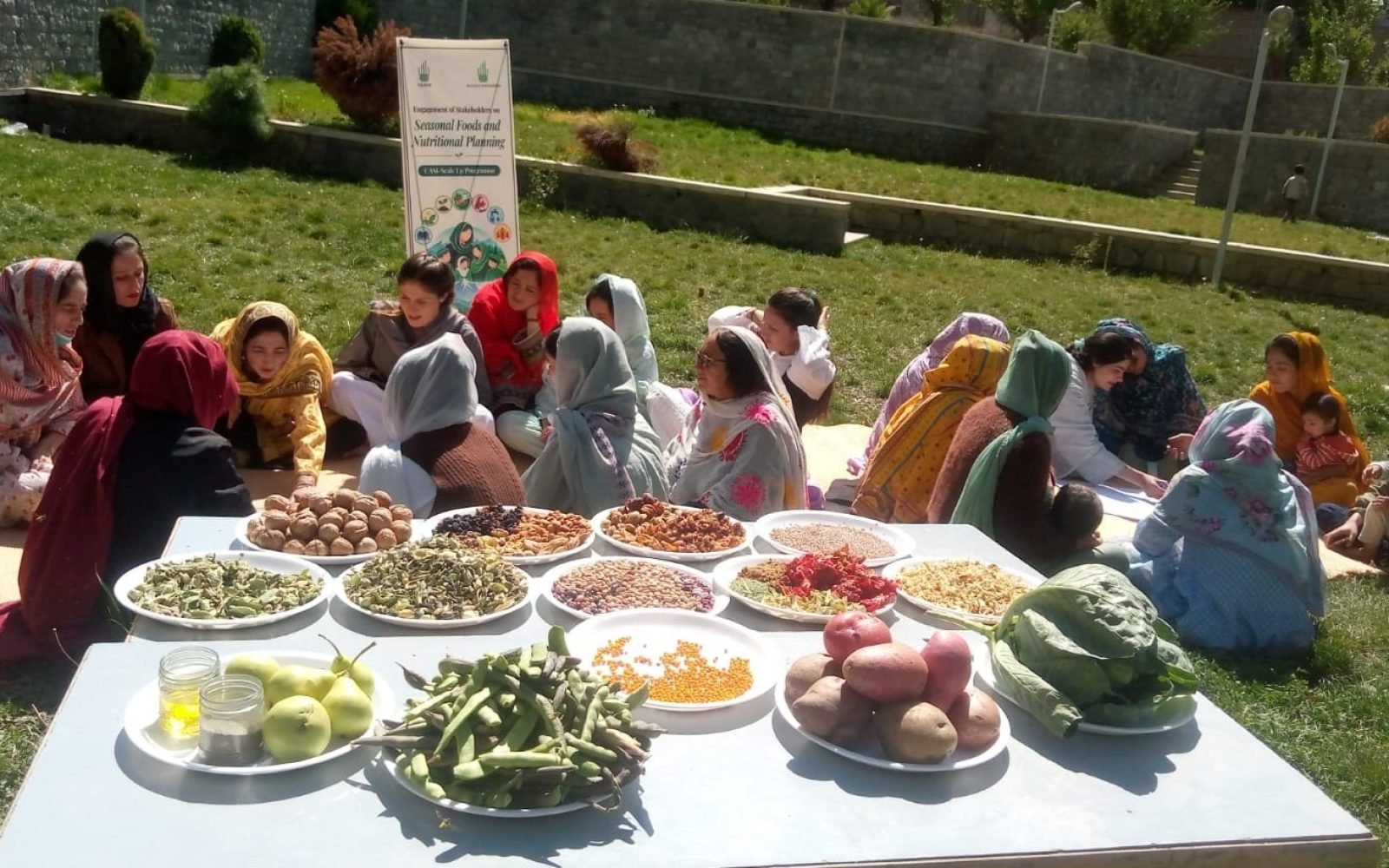
Through the Central Asia Stunting Initiative (CASI) Scale-up Programme, implemented by the Aga Khan Rural Support Programme (AKRSP), women are learning practical ways to improve household diets, reduce food waste and make better use of locally available nutritious foods. Hamida is among those who have taken part in nutrition awareness sessions, cooking demonstrations and food preservation training. Across three valleys in Gilgit and Chitral, the programme has reached more than 53 communities and approximately 1,360 households, focusing on improving nutrition practices for children, pregnant women and lactating mothers.
In Thoi Valley, the challenge was not always the availability of food. Apples, pumpkins, cabbage, pulses and other nutritious foods were widely available, yet many households lacked practical experience in preparing, preserving and fully utilising them. Fruits like apples and apricots were sometimes fed to livestock. Pumpkins were rarely considered suitable food for young children. Cabbage grown in kitchen gardens often ended up as animal feed rather than on family dining mats. Meals frequently consisted of rice, pulses and a limited range of seasonal vegetables.
For many families, nutritious food was also associated with wealth. Women attending the nutrition awareness sessions shared that they had previously associated nutritious diets with expensive food items. However, through the sessions, they learned that nutritious meals could
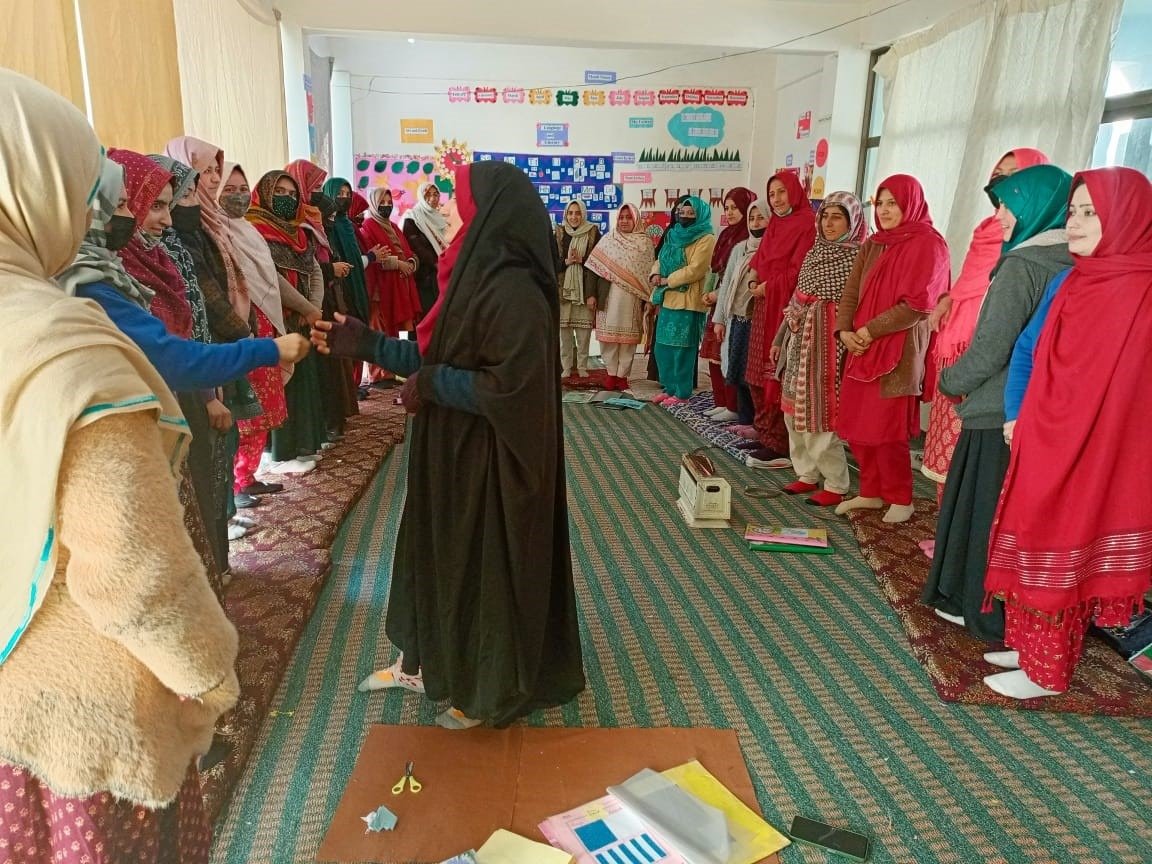
be prepared using affordable, locally available ingredients when combined with appropriate food preparation practices. Recognising this gap between food availability and food utilisation, AKRSP introduced a practical, hands-on approach through CASI. Rather than relying on awareness messages alone, the programme encourages women to learn by doing. Participants prepare nutritious recipes using familiar ingredients, practice food preservation techniques and discuss simple ways to improve everyday household food practices.
“I always had these foods,” Hamida recalls. “What I didn’t have was the knowledge of how to use them.” The results are increasingly visible in homes across the valley. Pumpkins and carrots are prepared as halwa for children. Cabbage is preserved as pickles. Apples and apricots are turned into jam instead of going to waste. Families report including more vegetables, fruits, pulses, eggs and dairy products in their diets. Women also describe a greater awareness of appropriate feeding practices for young children and the importance of balanced diets during pregnancy. For Hamida, the turning point came during a food preservation demonstration organised in Thoi-Yasin. Facilitated by a Nutrition Mobiliser with technical guidance from the Agriculture Department, the session brought together women from neighbouring communities to explore practical ways of storing seasonal produce beyond the harvest period.
Participants learned how to select ripe apples, prepare them hygienically, make jam and store it safely for later consumption. Hamida returned home determined to try it herself. For the first time, the apples and apricots from her family’s orchard became jars of homemade jam that could be enjoyed throughout the long winter months, when access to fresh fruit becomes limited between November and March. The impact extended beyond her own household. Hamida soon began preparing additional jam for neighbours and women from nearby villages, creating a small income-generating opportunity from surplus while encouraging others to preserve their own produce.
“Now, instead of letting our food go to waste, I preserve them as jam, and pickle for my children. I also share what I have learned about safe food preservation with other mothers so they can make better use of locally available fruits,” she says. Her story illustrates one of the programme’s most important outcomes: the spread of practical nutrition knowledge from one household to another.
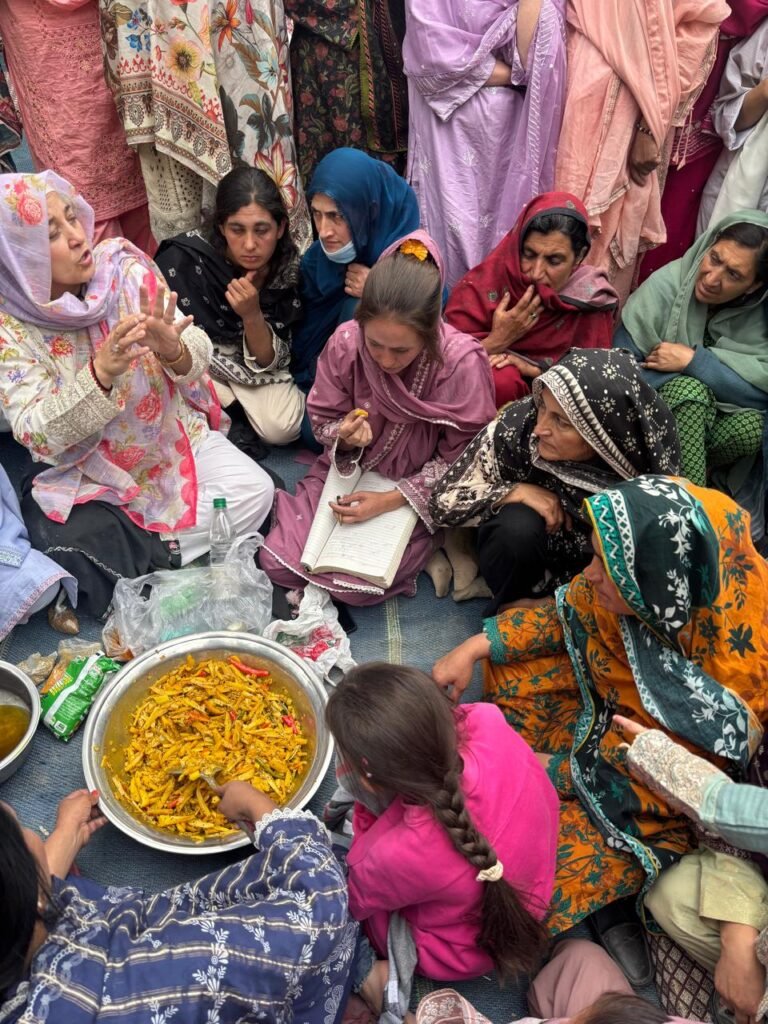
In many communities, women who have participated in CASI activities are now sharing recipes, preservation techniques and healthier cooking practices with neighbours and relatives. What began as individual learning is increasingly becoming community learning. Hamida’s experience demonstrates how practical nutrition knowledge can turn locally available resources into opportunities for healthier household diets, reduced food waste and improved food security. What began as a simple food preservation skill has not only helped her family make better use of seasonal harvests but has also created a small income-generating opportunity and encouraged other women to adopt similar practices.
Through the Central Asia Stunting Initiative (CASI), AKRSP is extending these changes beyond individual households by equipping women with practical skills and encouraging community-to-community learning. As women share their knowledge and adopt healthier food practices, they are contributing to a wider shift towards improved family nutrition across communities in Gilgit and Chitral. Hamida’s story reflects a simple but powerful lesson: improving nutrition is not always about having more resources, but about making better use of what is already available.