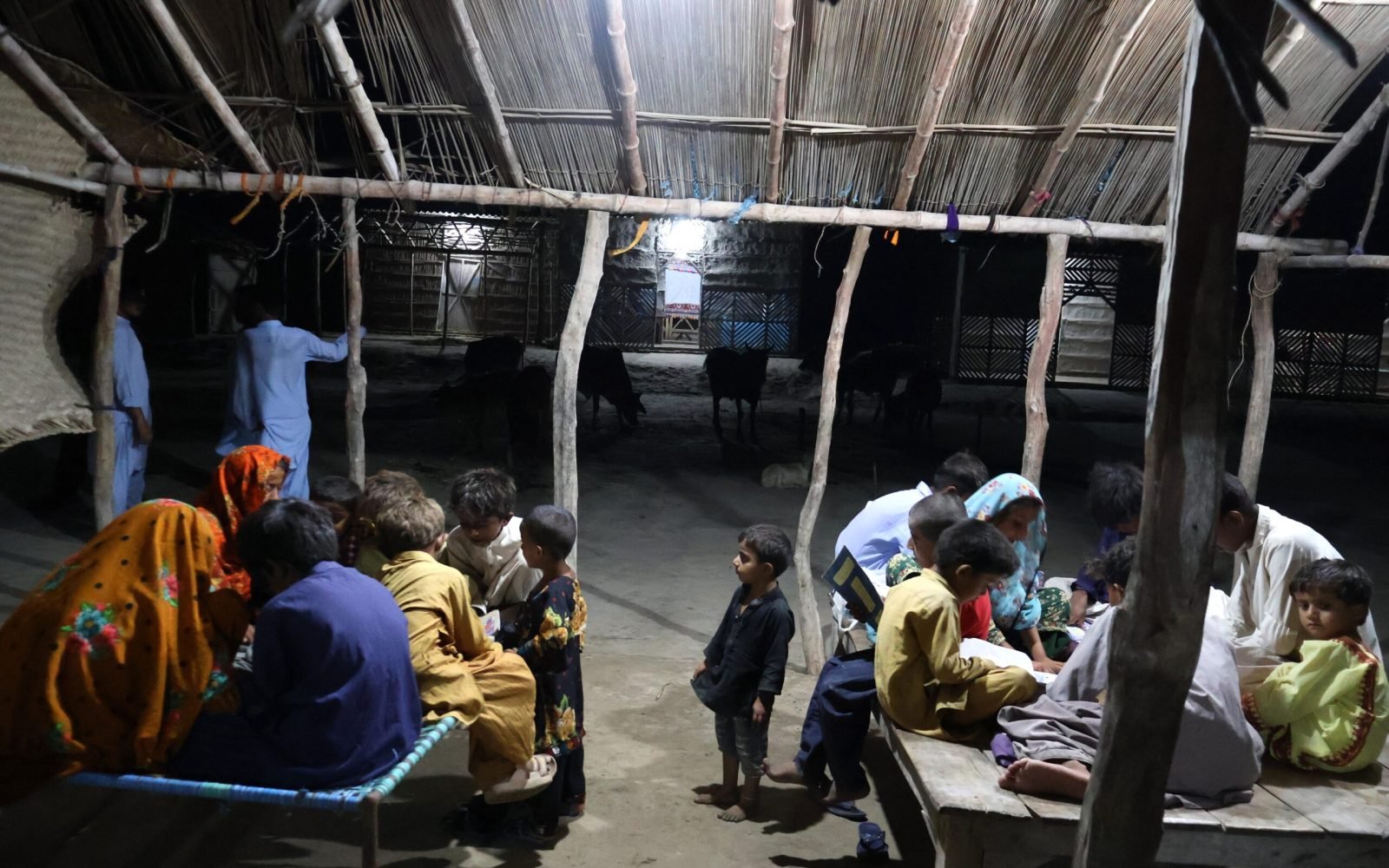
A community-led clean energy initiative, bringing reliable electricity, sustainable livelihoods, and climate resilience to a previously off-grid village in Union Council Qarampur, Tehsil Mirpur Sakro, District Thatta, Sindh.
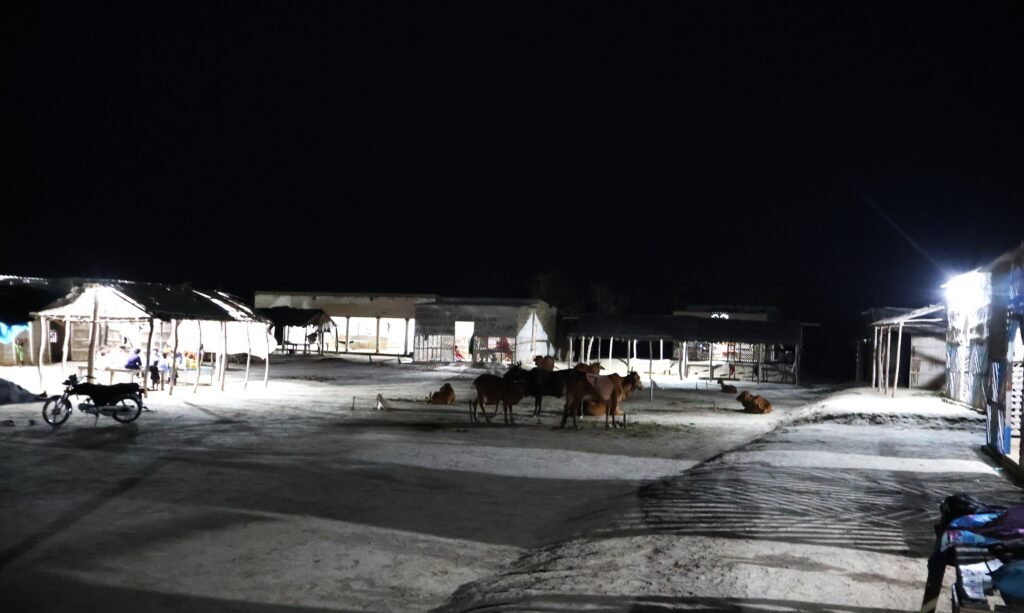
Anees Ahmed, Data Insights Officer
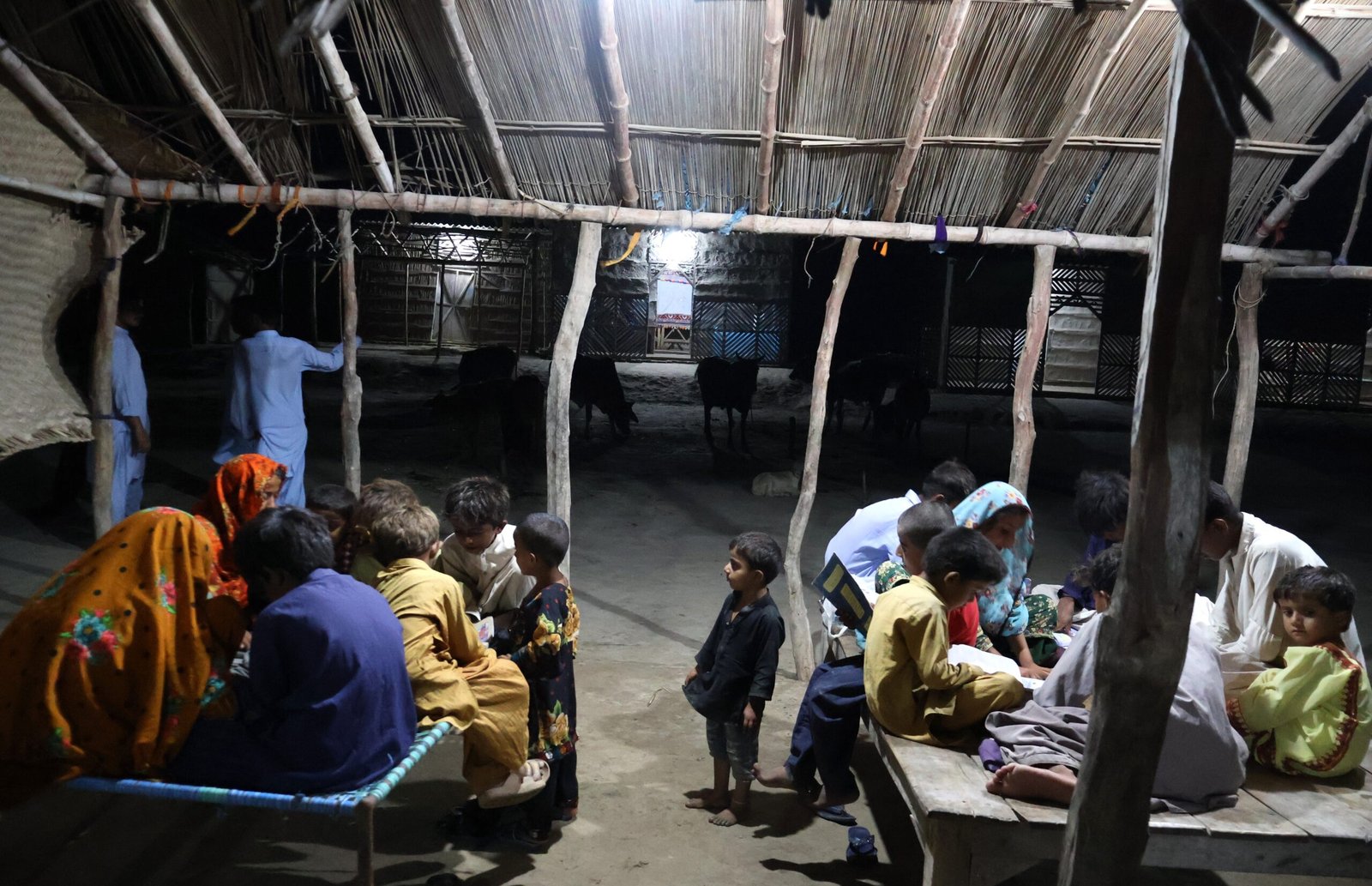
Lal Khan Luko, a small village of just 40 households, had lived in darkness for generations. Although the national electricity grid lay only five kilometres away, the village had never been connected. It remained outside every electrification plan, with no government department or development organisation offering an alternative.
| 40 Households Connected | 15 kW Micro-Grid Capacity | 20 kWh Battery Backup | 5 km Away Nearest Grid Line |
Every evening, as the sun disappeared over the coastal landscape, life simply stopped.
Children put away their books because there was no light to study. Women rushed to finish cooking, washing and other household chores before dusk. Farmers relied on dim kerosene lamps or makeshift battery lights when they had to work at night, while health emergencies after sunset became even more challenging. Electricity was something people had heard about but never experienced.
Lighting Homes, Building Resilience
The transformation began under the Sindh Coastal Resilience Integrated Programme (SCRIP), implemented by the Aga Khan Rural Support Programme (AKRSP) with support from the Embassy of Denmark in Islamabad.
The SCRIP project works across the coastal districts of Thatta and Sujawal to strengthen communities’ resilience to climate change and coastal hazards. The programme combines disaster risk reduction, climate adaptation, regenerative agriculture, clean energy, safe drinking water, sanitation and sustainable livelihoods to help vulnerable communities build a safer and more secure future.
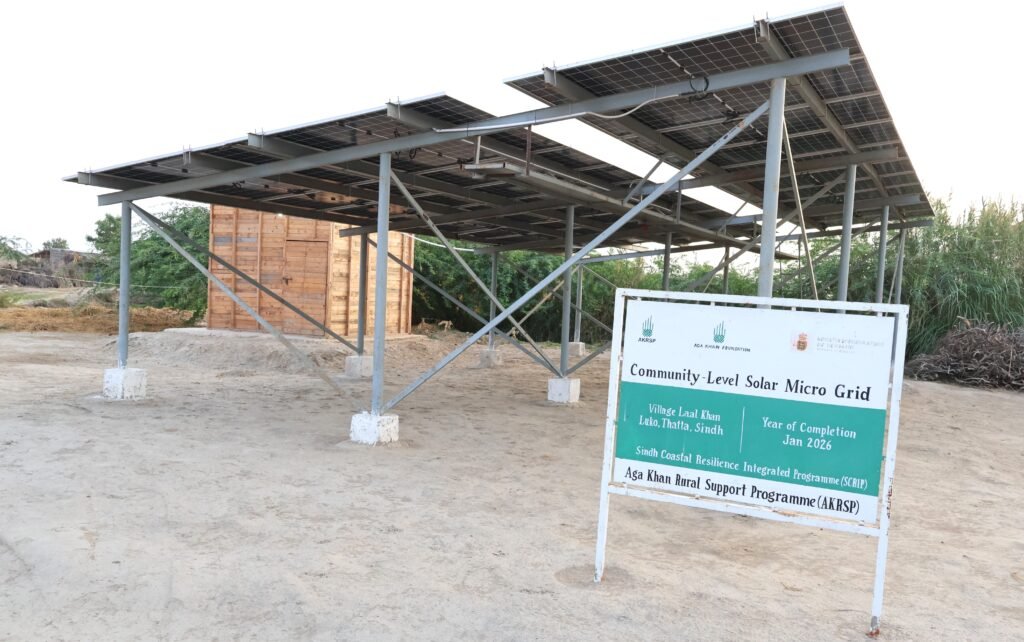
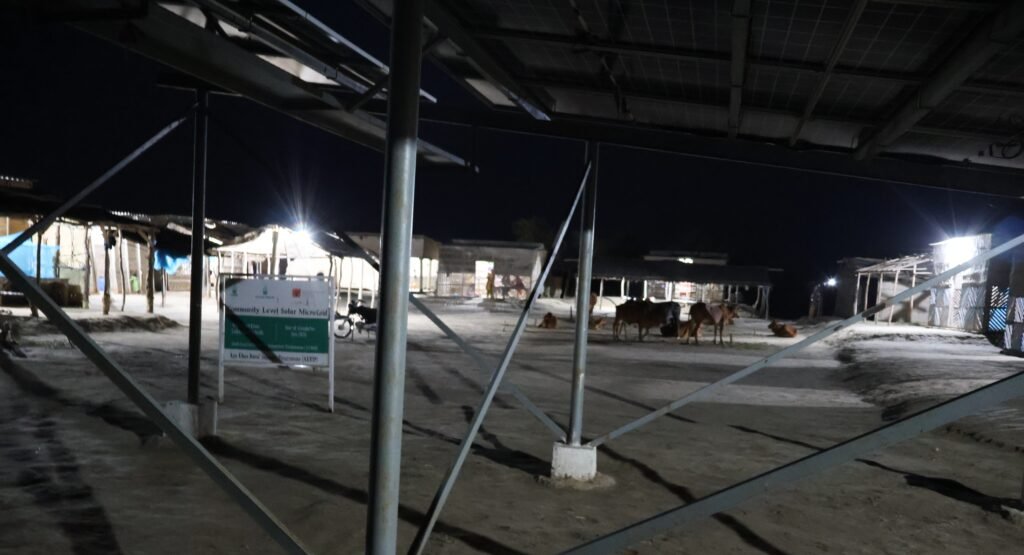
For Lal Khan Luko, the solution came in the form of a 15kW solar micro-grid, supported by a 20kWh battery bank, providing reliable electricity to every household in the village. Unlike conventional solar systems that depend solely on daylight, the battery backup ensures electricity remains available throughout the night.
But for AKRSP, the intervention was never just about providing electricity—it was about improving lives.
“Now We Have Time After Sunset”
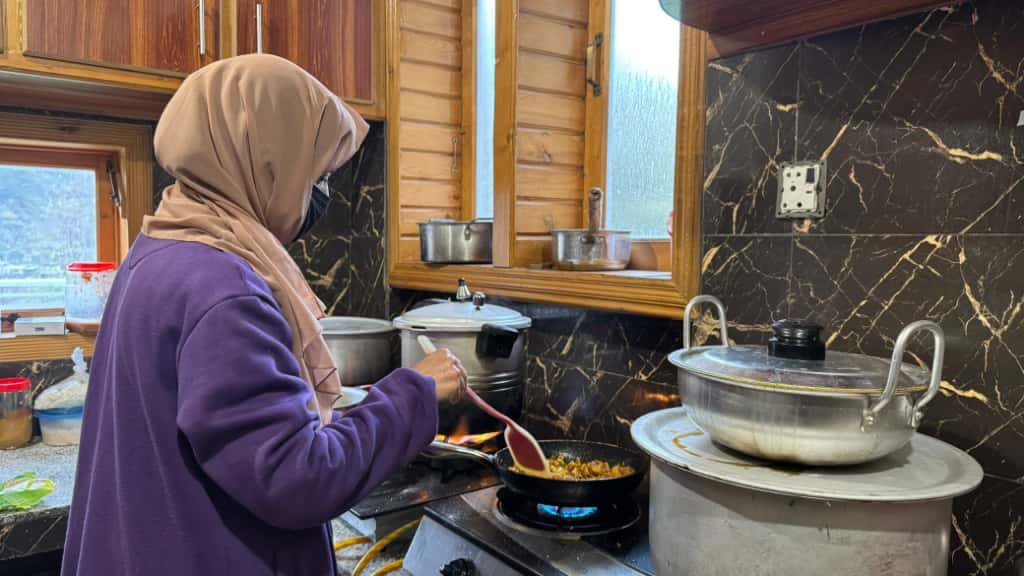
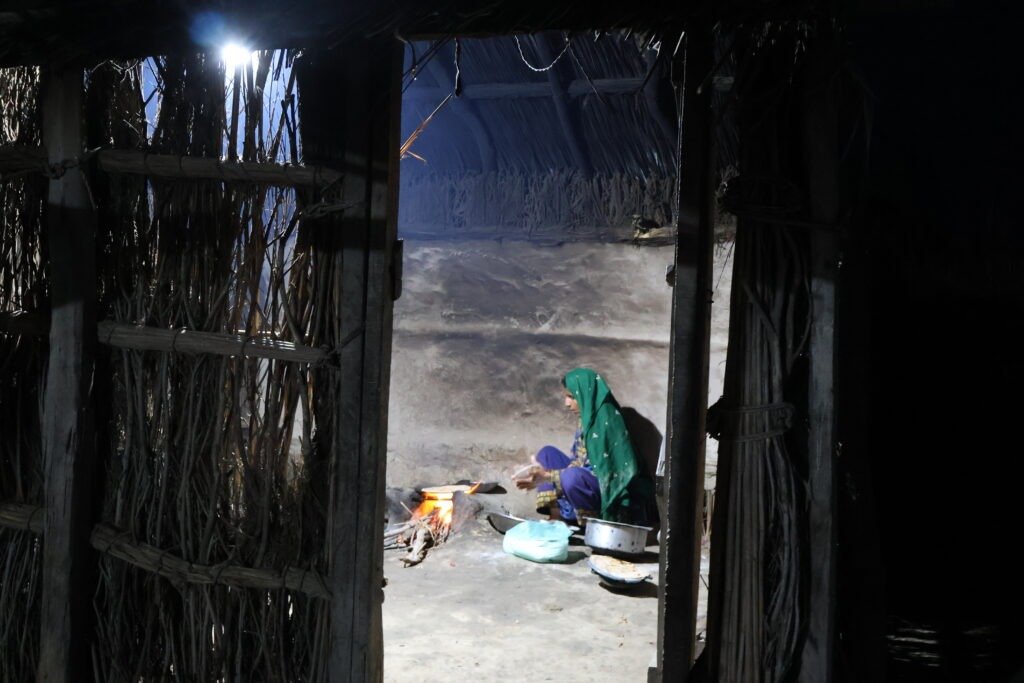
For women, reliable electricity has fundamentally changed daily life.
“Before the solar grid, it was so hard to manage work after dusk. Cooking, dishwashing—everything had to be finished before dark because once it got dark there was no way to keep going,” says Naila, a homemaker.
Her neighbour, Zareena, remembers how even routine tasks became difficult once darkness fell.
“There was no concept of electricity in our village before. We had to finish all our work in daylight, and if anything was left after dusk, it created a lot of problems—even something as simple as fetching water from the nearby lake. Now, with the grid, we have extra hours to manage whatever is left.”
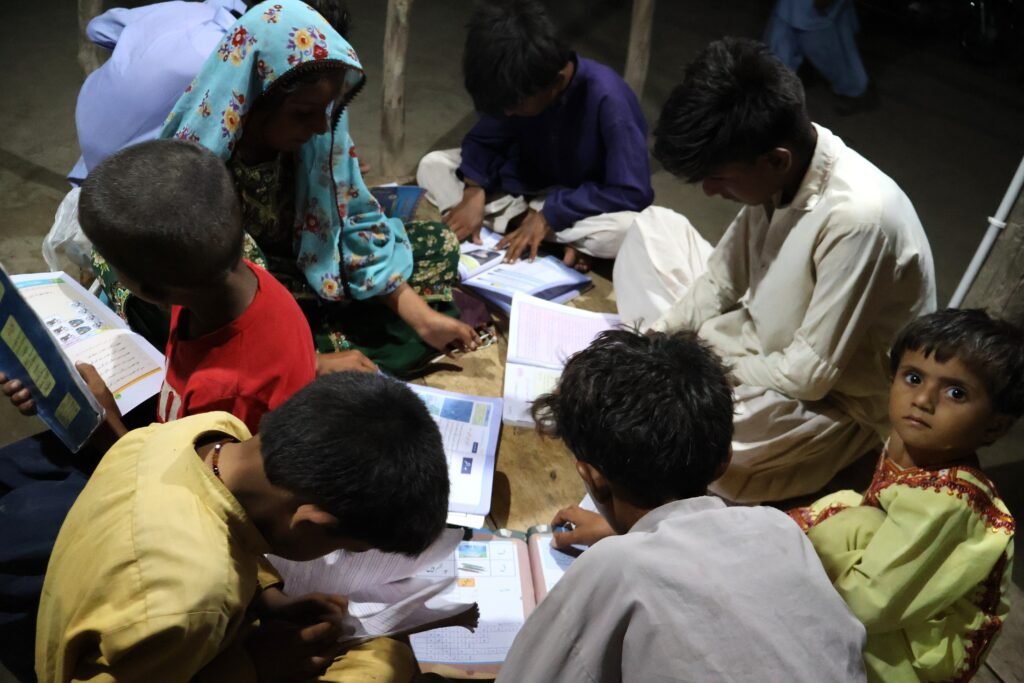
For the first time, evenings in Lal Khan Luko have become productive rather than restrictive. Families can carry on with household work, children can continue studying, and daily routines are no longer dictated entirely by daylight.
Powering Women’s Economic Independence
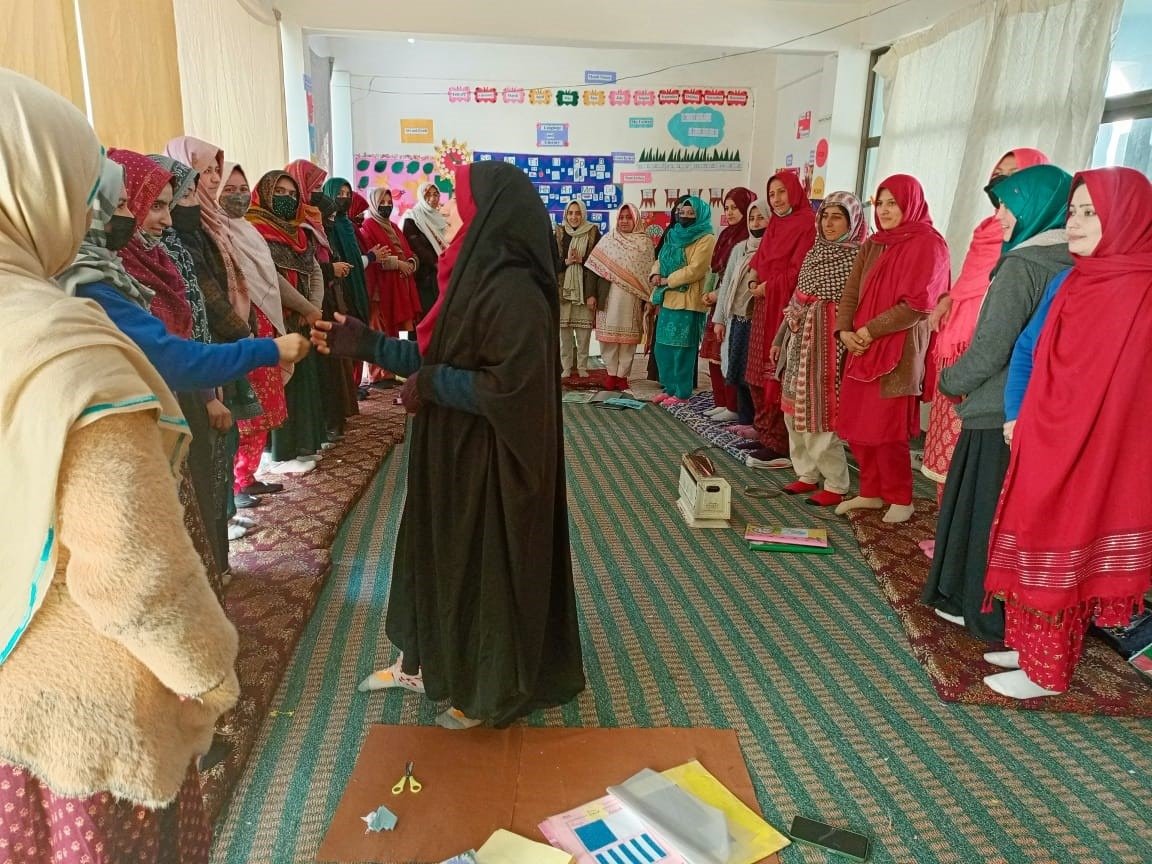
Recognising that access to energy should also create economic opportunities, AKRSP complemented the solar micro-grid with a micro-grant to establish a women’s sewing centre.
The centre is equipped with electric sewing machines, lighting and ceiling fans—all powered by the village’s new solar grid. Women who once stitched exclusively by hand are now learning machine-based tailoring and building skills that can generate a regular income.
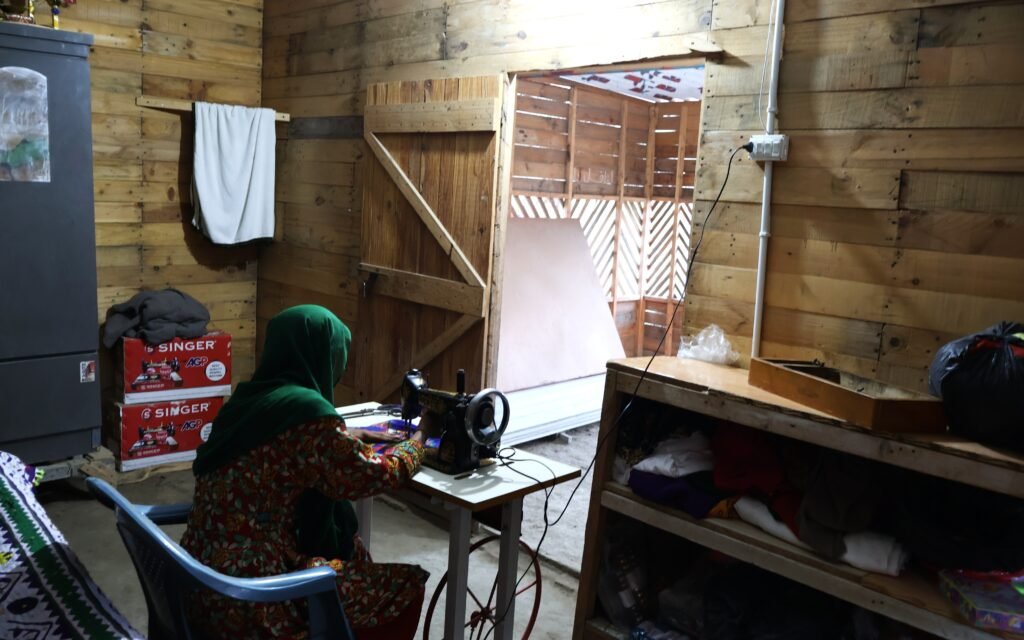
For Marvi, a widow, the sewing centre has opened a completely new chapter.
“Before the sewing grant and the solar grid, we did all our sewing work by hand. It took a lot of time and energy, and we had to complete everything during daylight. Now we have sewing machines, proper lighting and fans. We have learned to use the machines confidently, can work for many more hours, and our productivity has increased significantly.”
The sewing centre demonstrates how clean energy can become much more than an infrastructure investment—it can create pathways to economic empowerment, particularly for women.
Brighter Nights, Safer Lives
Reliable electricity has also improved safety, health and agricultural livelihoods.
For Riaz Ahmed, a local farmer, night-time irrigation was once one of the most difficult parts of farming.
“Before, the only light we had was a kerosene lamp and a small solar emergency light that lasted barely an hour. As a farmer, I often have to stay in the fields at night to monitor irrigation water. Working in complete darkness was difficult and risky. Now I have a reliable emergency light that charges through the solar grid, making my work much easier. Even the risk of insect and snake bites has reduced significantly.”
Families can now respond more safely to medical needs after dark, while children have gained valuable study hours that were previously impossible.
At the same time, the village has almost completely eliminated the use of fuel for lighting, reducing household expenses, improving indoor air quality and supporting climate-friendly living.
A Community-Owned Solution
Perhaps the most remarkable feature of the project is that the community itself now manages the system.
Each household contributes a small monthly electricity fee. Part of the amount pays a locally appointed operator responsible for running and maintaining the micro-grid, while the remaining funds are deposited into a community maintenance account for future repairs and equipment replacement.
This locally managed model ensures that the system remains financially sustainable without relying on continuous external support.
“AKRSP Was the First to Come”
For village elder Ghulam Rasool, the project represents something the community had waited decades to see.
“No NGO or government department ever came to solve this problem because the electricity line is five kilometres away. AKRSP was the first to come to our village and provide a practical solution. Today, our lives are much better than before.”
His words reflect more than appreciation—they capture the significance of bringing an essential service to a community that had long remained invisible.
More Than Electricity
The story of Lal Khan Luko is about far more than switching on lights.
It is about children studying after sunset, women turning new skills into livelihoods, farmers working more safely, families living with greater dignity, and a community taking ownership of its own future.
Through SCRIP, AKRSP is demonstrating how climate-resilient, community-owned clean energy solutions can transform lives in some of Pakistan’s most underserved coastal areas. Combined with the programme’s work on disaster resilience, regenerative agriculture, clean drinking water, sanitation and sustainable livelihoods, these interventions are helping vulnerable communities adapt to climate change while creating opportunities for long-term development.
In Lal Khan Luko, the lights now stay on long after sunset—but more importantly, so do hope, opportunity and the promise of a more resilient future.