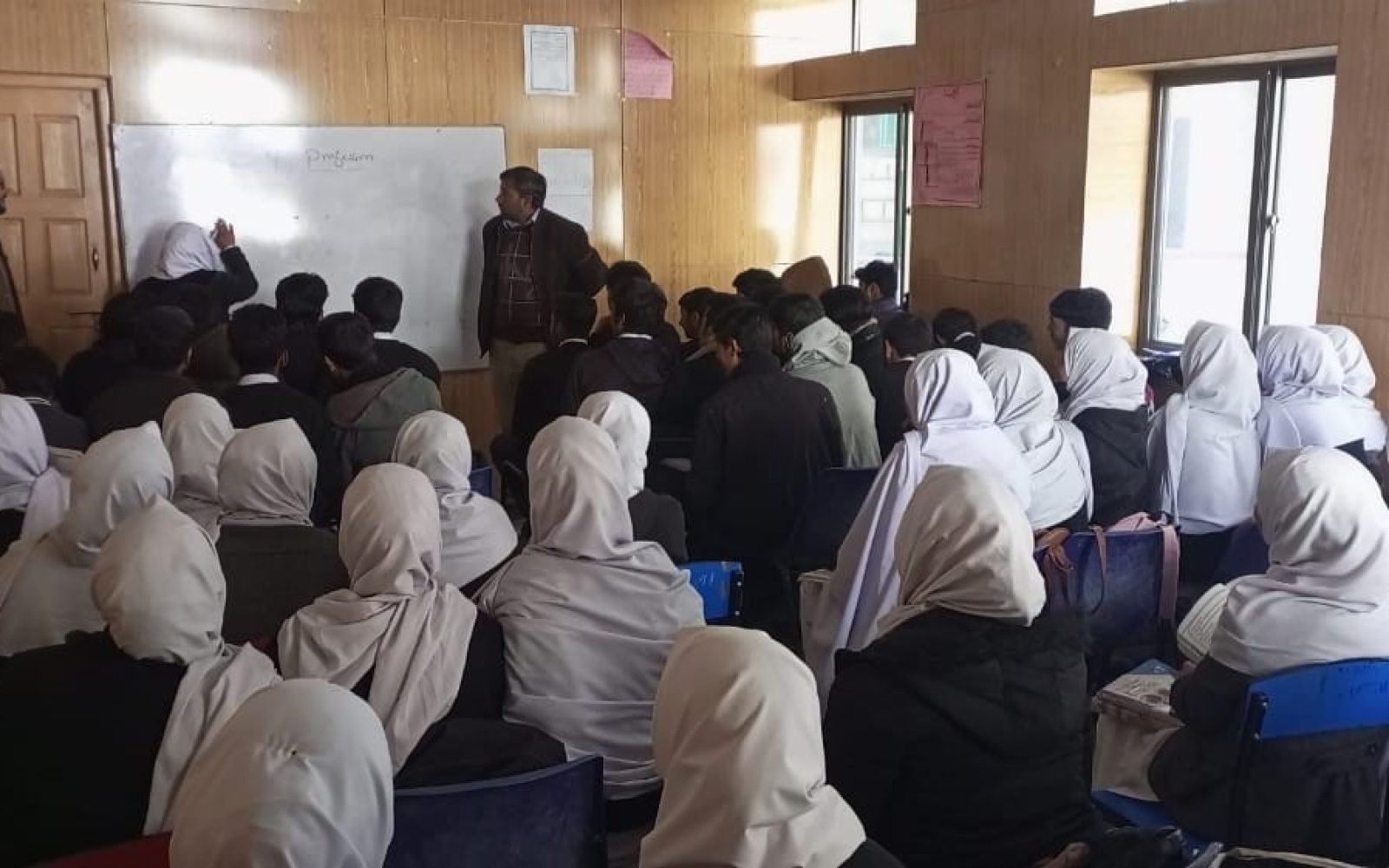
By: Muhammad Nasir Khan, Programme Senior Field Officer
High in the mountains where the mighty Indus meets the Shyok lies Tolti—a remote settlement in District Kharmang in Gilgit-Baltistan where educational opportunities have long been scarce, especially for girls. Kharmang remains a socially conservative district where girls rarely study beyond secondary school, and beginning higher secondary classes inside a boys’ school posed significant cultural and logistical challenges.
The School Improvement Programme
In 2023, the Aga Khan Rural Support Programme (AKRSP), in partnership with AKDN agencies and the Government of Gilgit-Baltistan, launched the School Improvement Programme (SIP) in Kharmang. SIP aims to strengthen school management, improve teaching quality, support School Management Committees, and engage parents and communities to promote regular attendance and better learning outcomes.
In Kharmang, SIP’s work closely focused on identifying out-of-school girls, supporting their re-enrolment, and helping schools create safe, inclusive learning environments. The programme provided practical support at the school level, including teacher capacity-building, community mobilisation, and helping the school address critical gaps in facilities.
Identifying the Gap
During village and school profiling, the SIP team discovered that a large number of students—particularly girls—stopped studying after completing their Secondary School Certificate (SSC). With no higher secondary school available locally, and because families were reluctant to send their daughters far from home, many girls remained confined to their villages despite wanting to continue their studies. One mother recalled how “our daughters had no place to study after class 10. They stayed at home even though they wanted to continue, but we could not send them far from the village.”
In 2023, the SIP team identified forty-five out-of-school youth, including thirty girls. By 2024, with more thorough profiling, the total rose to seventy-six, of whom fifty-five were girls. This increase confirmed the urgency of establishing a local higher secondary option.
A Collaborative Solution
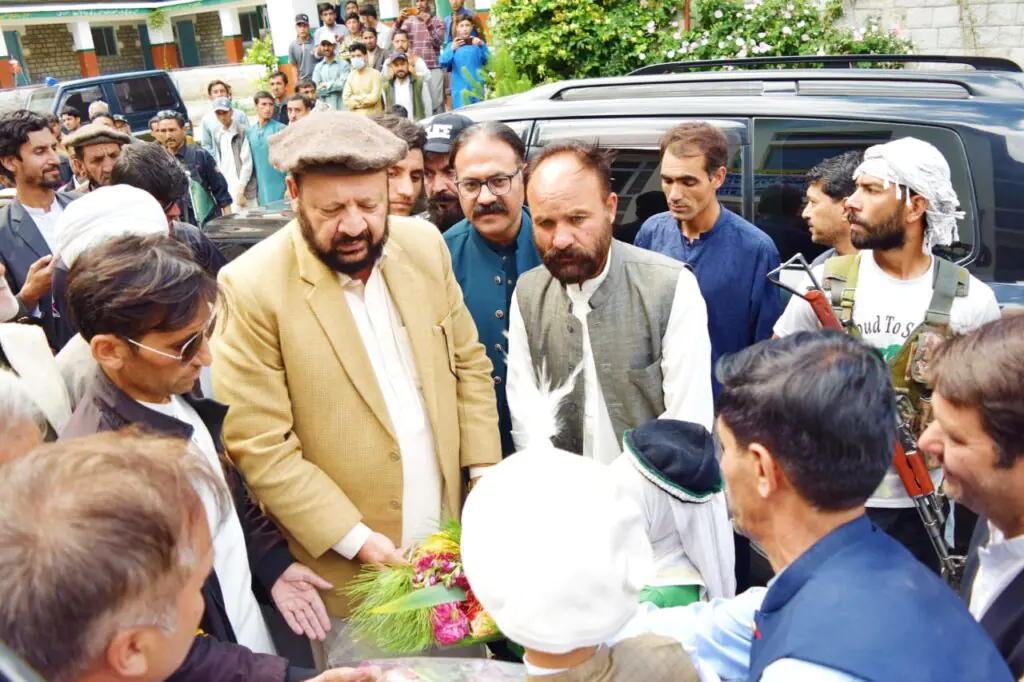
Chief Minister inaugurated the Tolti Higher Secondary School
AKRSP programme team held discussions with the Government School Education Department (SED) Kharmang and proposed launching Higher Secondary School Certificate (HSSC) classes at Boys High School (BHS) Tolti, a centrally located school that could serve nearby villages. The proposal was accepted, and the Secretary Education approved the initiative.
SED arranged staffing and basic classroom furniture, while AKRSP mobilised parents, school committees, community elders, and religious leaders to create acceptance—particularly for girls attending classes in a boys’ school. Meetings with parents, awareness sessions in villages, and dialogues with teachers helped reassure families that their daughters would have a safe and supportive learning environment. A local religious leader expressed his endorsement by saying that if girls desired to study and the environment was safe, “it becomes our duty as a community to support their right to education.”
A Milestone for Kharmang
Admissions opened in May 2024, and by August, seventy-seven students—fifty-six girls and twenty-one boys—had enrolled. The Chief Minister of Gilgit-Baltistan, Haji Gulbar Khan, formally inaugurated the HSSC classes, marking a historic moment for girls’ education in the valley.
The initiative created rare opportunities for young women who had assumed that their education had ended permanently. One married student shared how she believed “my studies had ended after marriage, but when this class started here, I felt my dream was alive again.” For families across Tolti and surrounding villages, the establishment of local HSS classes brought hope that daughters could receive higher education without having to leave their homes.
Improved Academic Performance
The 2025 first-year board examination results demonstrated striking progress in the context in the remote region. Girls outperformed boys across all major subjects, with seventy-five per cent scoring above seventy per cent in English, Mathematics, Physics, Chemistry and Biology. Teachers attributed the strong performance to the girls’ regular attendance, focused participation, and consistent study routines. One teacher explained that the girls “attend regularly, listen carefully, and revise at home, and their dedication is reflected in their marks.”
A student from HSS Part-II described how she studies “almost three hours every day after school,” while noting that her brother, who is in class 10, “hardly opens his books and spends most of his time on mobile games.” Teachers added that academically stronger boys often leave the district for studies in Skardu or other cities, leaving behind those with weaker foundations.
Active Participation Beyond the Classroom
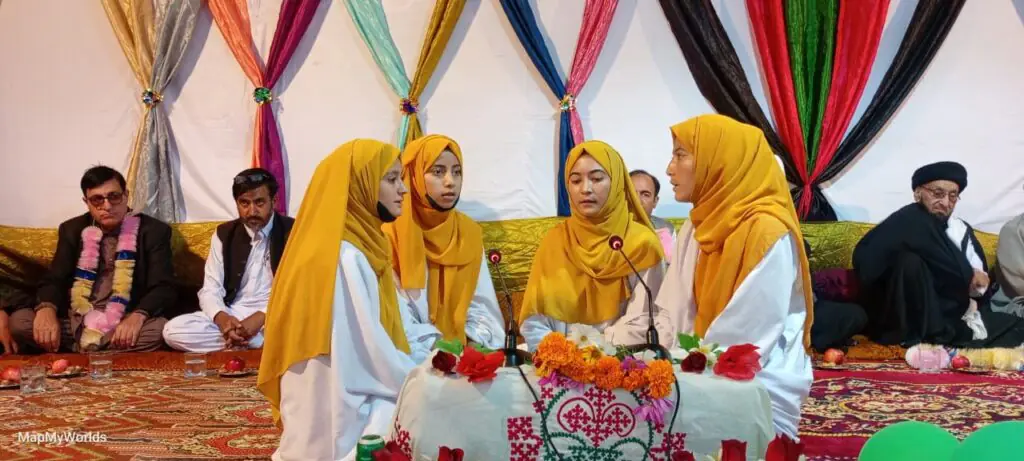
The introduction of HSS classes also opened opportunities for girls to participate in debates, speeches, national day events, naat recitations, essay competitions, and indoor and outdoor sports. Many of them won awards and gained new confidence. One student shared how she felt “very happy in the school because teachers support us, and we get chances to show our talents, which makes us feel confident.”
A New Experience of Learning Together
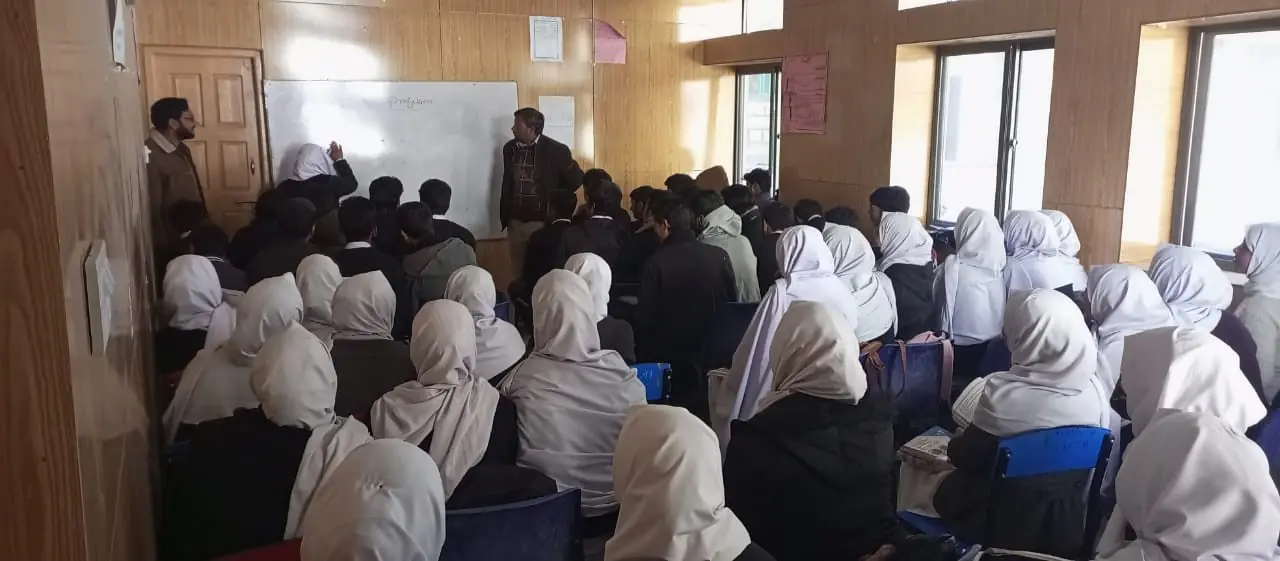
For the first time in Kharmang, boys and girls studied together in the same classrooms—an unfamiliar arrangement for a district where education is gender-segregated. AKRSP and the school conducted sessions for students on ethics, respect, and appropriate behaviour to ensure comfort and safety. Regular monitoring, guidance and reinforcement of social values helped students adapt to this new experience. As one teacher reflected, many had expected difficulties, “but the students behaved maturely, and with guidance, co-education worked here.”
Creating a Conducive Learning Environment
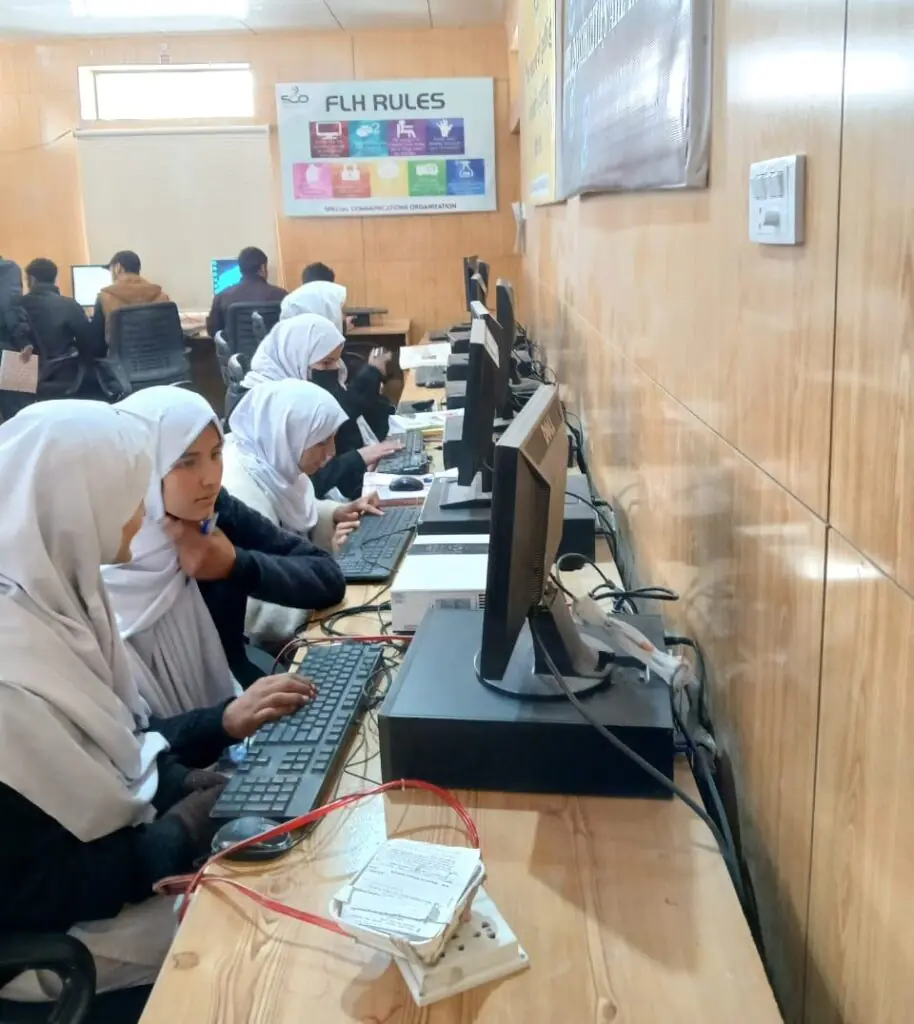
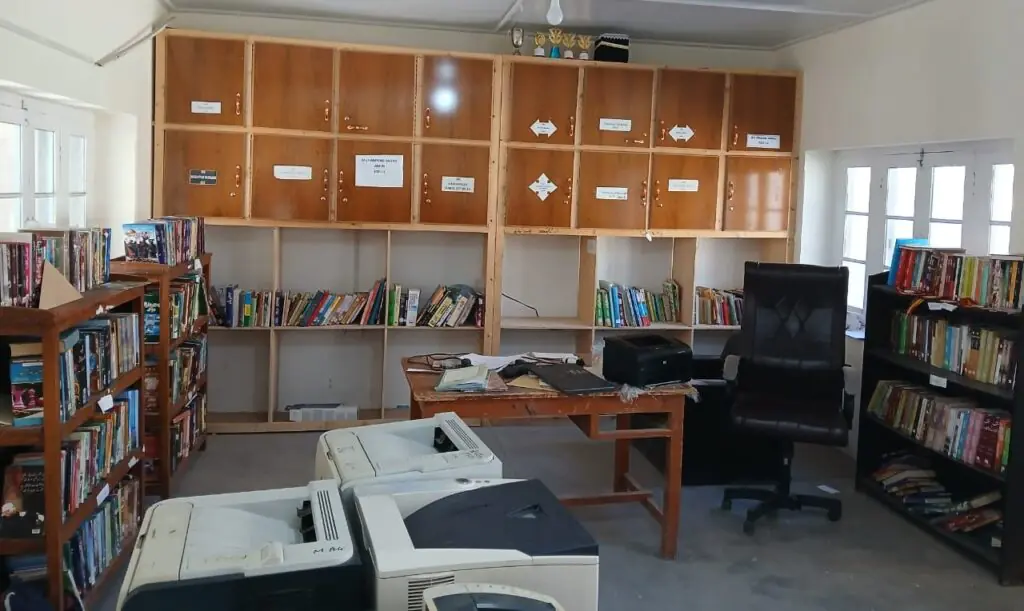
Before the HSS classes could begin, BHS Tolti prepared its learning environment with support from both the education department and SIP. A science laboratory and computer lab were reorganised for higher-level courses, a small library was set up, and dedicated classrooms were arranged for the new cohort. Solar panels installed by the Special Communications Organisation (SCO) ensured reliable electricity, and internet connectivity allowed students to access digital learning resources. Qualified teachers from nearby schools were deputed to teach the required subjects, and SIP supported the school in addressing missing facilities and strengthening teacher capacity, enabling a smoother transition into higher secondary education.
These improvements significantly enhanced student motivation and engagement. Nevertheless, some needs remain: teachers require additional support in activity-based teaching, several computers require repair, and both the library and laboratories must be better utilised. Regular parent–teacher coordination must also be strengthened to sustain progress.
A Transformative Step for Kharmang
The introduction of HSS classes at Boys High School Tolti has become a turning point for this remote and conservative district. For the first time, dozens of girls—including married young women—can pursue higher secondary education within their village. Their academic achievements, renewed confidence, and active participation reflect a community gradually reshaping its expectations for the future.
Through the School Improvement Programme, AKRSP has helped identify out-of-school youth, mobilised communities, supported school readiness, strengthened teacher capacity, and worked closely with government authorities to create lasting educational pathways.
In Tolti, a door that had remained closed for generations has finally begun to open—and its impact will resonate for years to come.
This is not a story in isolation. AKRSP is implementing the School Improvement Programme across all ten districts of Gilgit-Baltistan and the two Chitral districts in Khyber Pakhtunkhwa. Across its implementation areas, SIP has already supported 522 schools, benefited more than 41,600 students, trained over 2,600 teachers, and engaged nearly 7,000 parents and community members through meetings, awareness sessions, and advocacy efforts.