By: Abdul Hameed
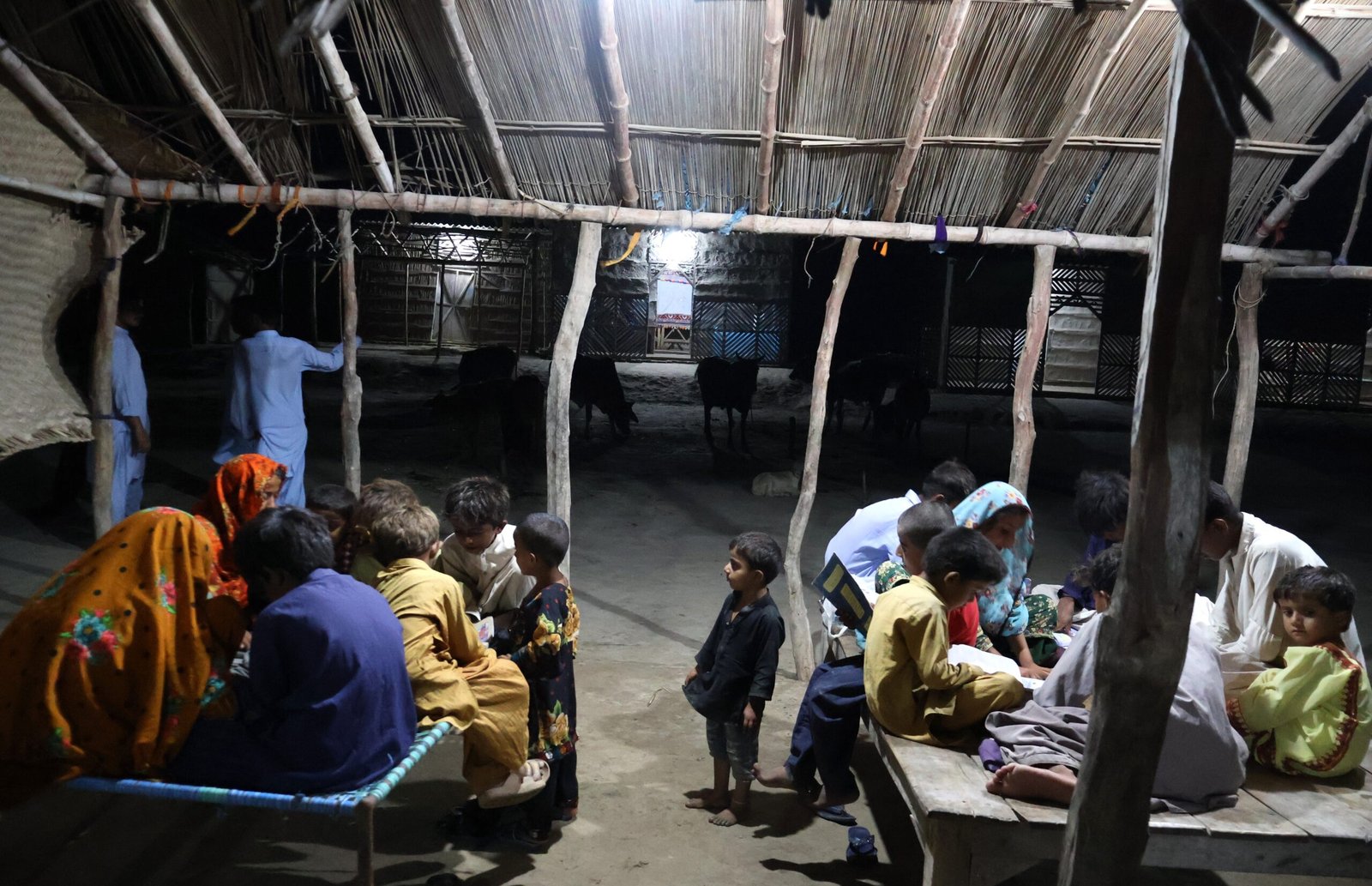
Sobia once stood in front of a classroom in her remote village Fina in Astore district of Gilgit-Baltistan as a volunteer, working without pay or recognition. She had no formal training, only the desire to help children learn. Early childhood development was not something she fully understood—yet she felt compelled to contribute.
Today, her story is different. Sobia now leads a dedicated Early Childhood Development (ECD) space, trusted by parents and earning a steady income. Her journey reflects how linking skills training to market demand can transform both livelihoods and education in Gilgit-Baltistan.
A Skills Gap Meets Opportunity
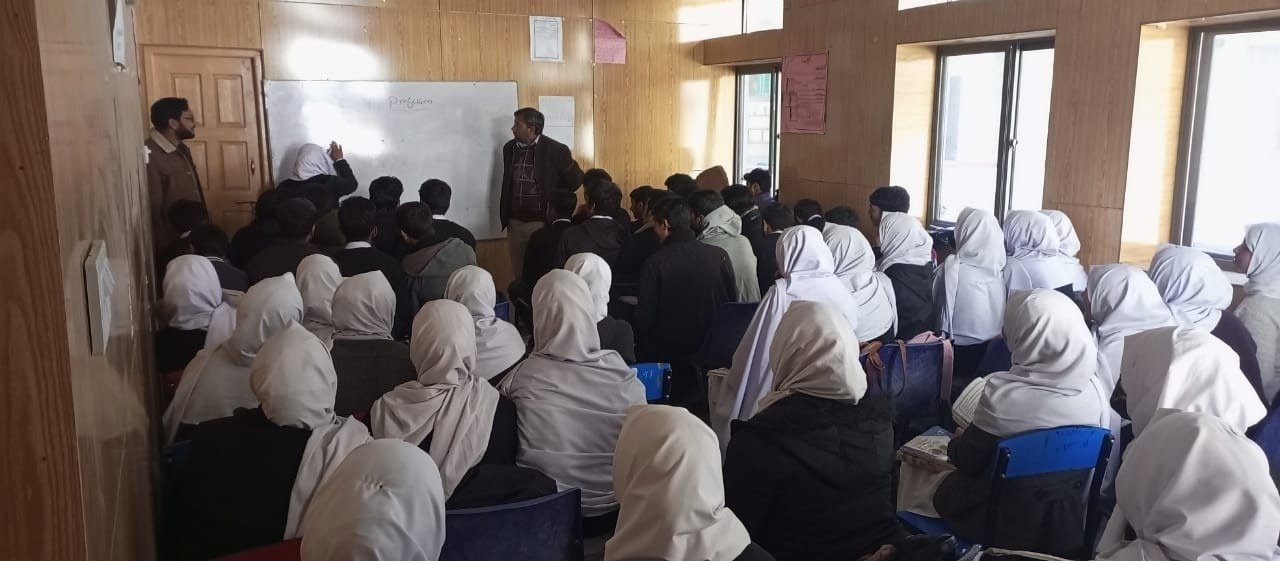
For years, schools in Astore struggled to provide quality early learning. Parents wanted nurturing spaces for their children, but trained teachers were scarce. At the same time, many young people sought opportunities to enter professional roles but lacked the skills that schools required.
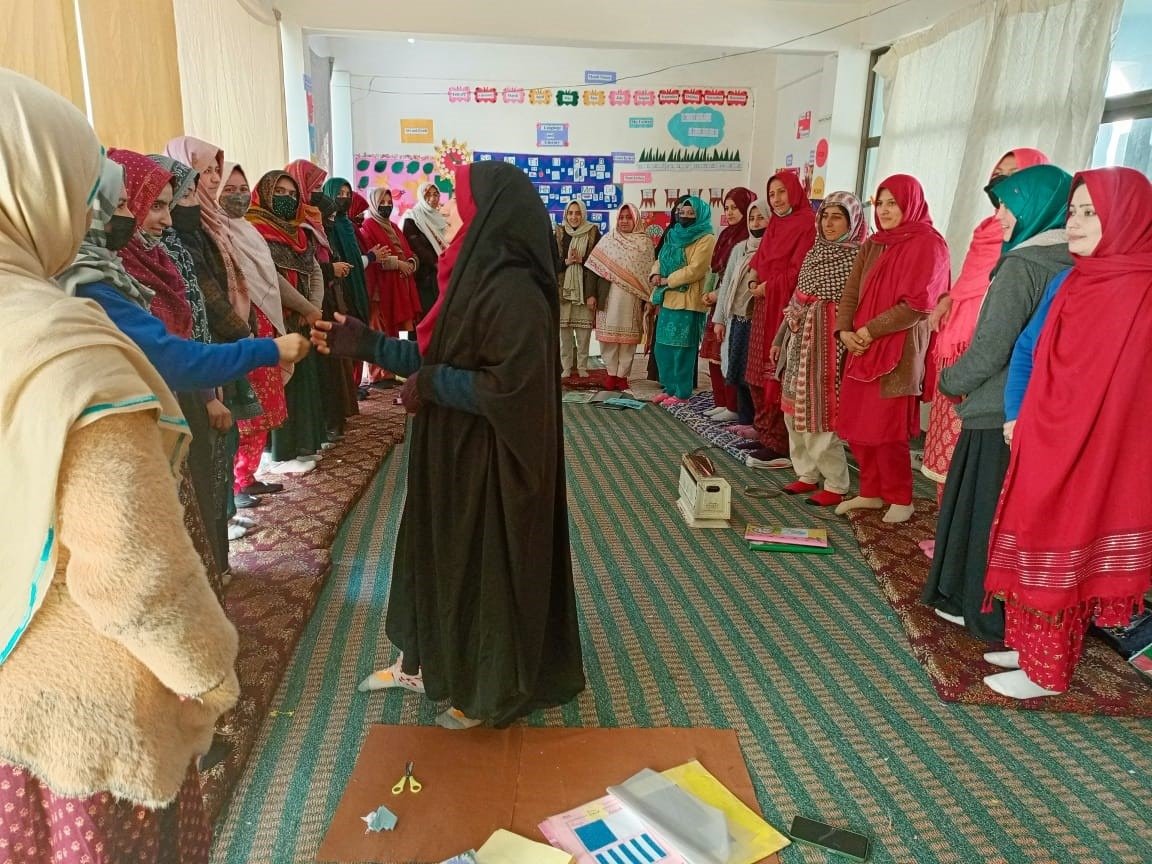
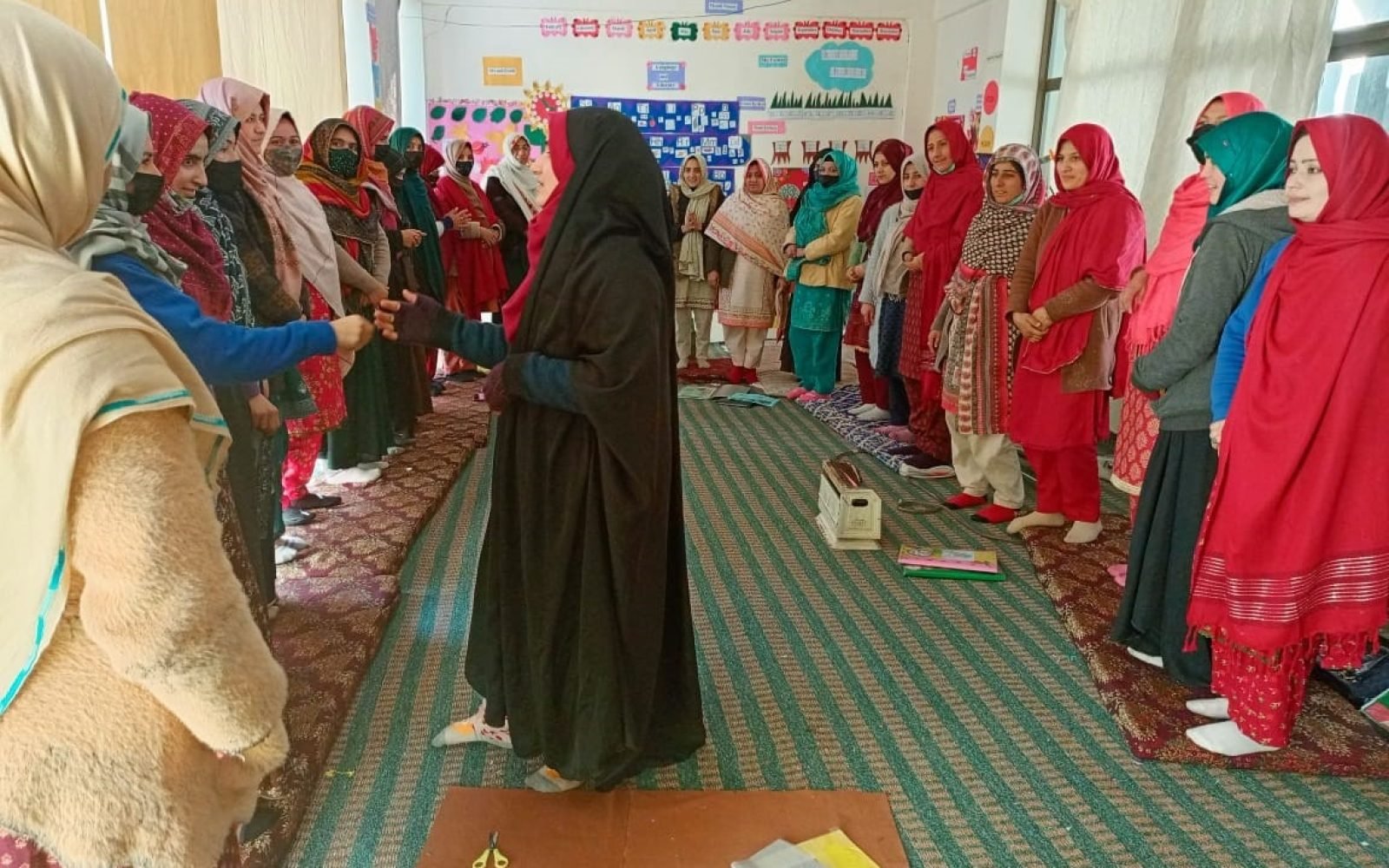
AKRSP carried out a skills gap assessment under the Building Resilience and Addressing Vulnerability to Emergencies (BRAVE) project, funded by FCDO. The assessment identified Early Childhood Development (ECD) as one of the most employable trades in the district. With technical support from Hunar Tech, a three-month training course was introduced. Forty participants completed the training in two batches, followed by a one-month school placement to apply their newly acquired skills in practice.
Turning Training Into Employment
Training was only the first step. To create a pathway into the job market, AKRSP brought together school principals and owners to propose a trial placement model. Trainees would be placed for one month, with AKRSP covering their initial salary.
The arrangement eased hiring concerns for schools and gave graduates the chance to prove themselves in real classrooms. Schools welcomed the initiative, agreeing not only to consider new recruits but also to increase salaries and upgrade the designations of existing teachers who had completed the training.
Tangible Results
The approach delivered results. AKRSP facilitated evaluation meetings with school heads, and the results were promising:
• 26 women secured teaching jobs as ECD educators.
• 4 started their own ECD centers in their villages.
• 10 received salary increases in recognition of their new qualifications.
• Monthly economic injection of around PKR 560,000 into local households—nearly PKR 6.7 million annually.
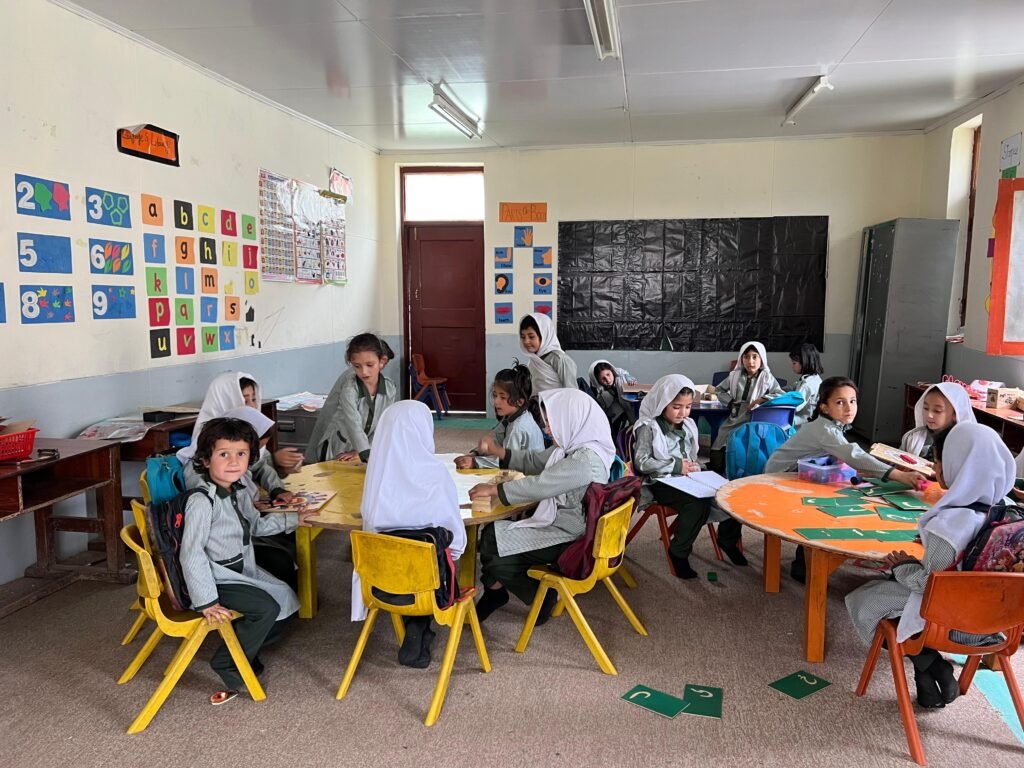
Principals noted a visible difference in classroom standards. At Jinnah Public School Eidgah, six trainees were offered permanent positions after proving their skills during placements, while existing staff were promoted to ECD specialists. The improvement in the quality of teaching was described as “immediate and noticeable.”
Lives Transformed
Behind the numbers are personal stories of change. Sobia, once a volunteer, now takes pride in being recognised as a qualified teacher. She has introduced structured ECD spaces in her school and gained the trust of parents in her community.
Another graduate, Rabia Shamshad, described how the training gave her confidence as well as financial independence. She now supports her family and provides quality education to children in her village. Similarly, Sidra Javed, who had always dreamed of working with children, found her aspirations realised when she was hired by a private school. She not only contributes to her household income but also brings joy and meaning to young learners.
The Road Ahead
What began as a training course has sparked a broader transformation. Schools are better equipped, families have stronger income security, and young children benefit from improved learning environments.
The challenge now lies in scaling up—making training accessible in more villages and supporting outstanding graduates with seed funding to establish new centres.
The lesson from Astore is clear: when skills development aligns with market demand, it not only creates jobs but also strengthens communities. In classrooms across the district, the change is already visible—teachers are better prepared, children are learning with joy, and futures are being rebuilt one skill at a time.